Is Protein Powder a Scam?
Is Protein Powder a Scam?
The honest answer, plus 10 high-protein, low-calorie ways to use it without replacing real meals.
If you’ve ever looked at a tub of protein powder and thought, “Is this just expensive chocolate dust?”, you’re not alone. Protein powder lives in that space between food and hype. The truth is simpler than the marketing: protein powder is not a scam. It’s a convenience tool that helps you hit your daily protein target when real life makes whole-food protein harder. (See References 2, 11, 12.)
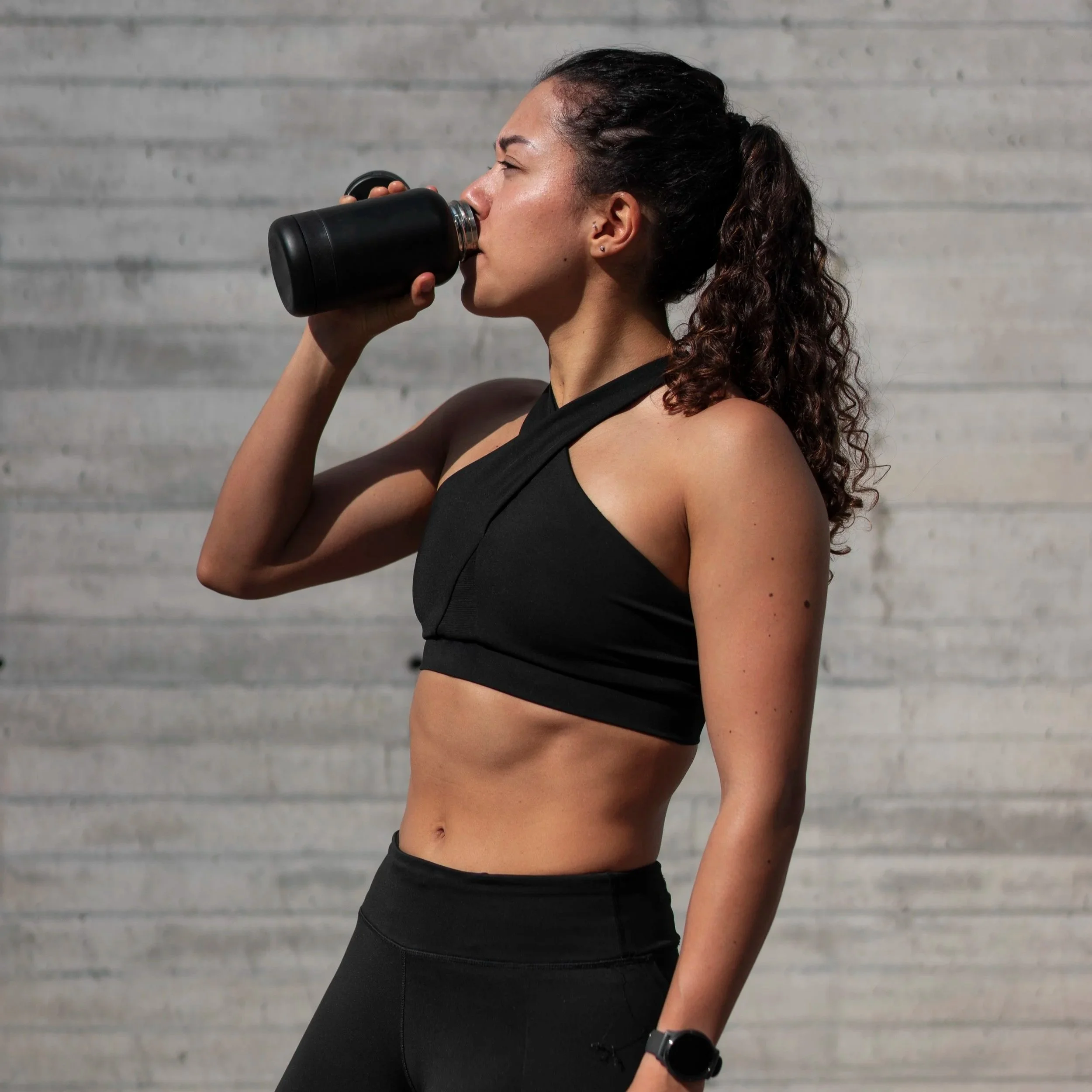
The Iron Camp rule: Whole food first, powder second
What we tell Iron Camp members is straightforward. Whole-food protein is your best option because it typically comes with more nutrition per bite and tends to keep you fuller. Protein powder is the next best option when you need extra protein, or you are consistently struggling to hit your daily grams. (See References 2, 10.)
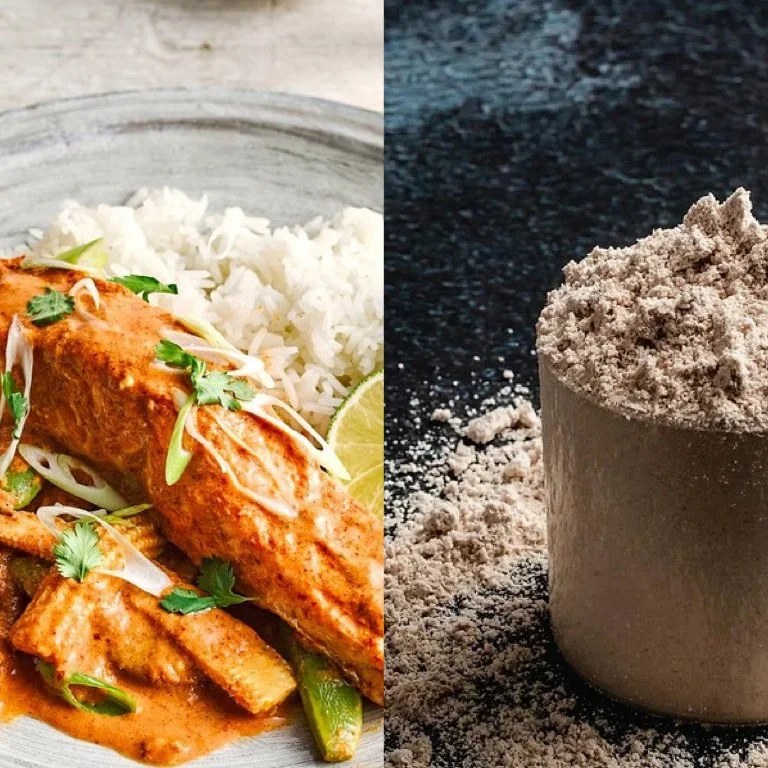
Why protein powder feels scammy sometimes (even when it is not)
The marketing problem
Protein powder gets a bad reputation because some brands sell it like a transformation in a tub. No powder can replace progressive training, total daily nutrition, sleep, and time. Protein only works when it supports an overall plan you can repeat. (See References 1, 2.)
The regulation reality
In the U.S., dietary supplements do not go through FDA premarket approval for safety and effectiveness the way medications do. Manufacturers are responsible for ensuring products are not adulterated or misbranded before they are marketed, and enforcement is often reactive. That’s why choosing reputable brands and quality controls matters. (See References 11, 12.)
The simple solution
Treat protein powder like any other convenience food: pick reputable products, use it with a purpose, and do not let it replace the basics. If it helps you hit your target, it’s useful. If it’s just something you bought because you felt pressured, it becomes expensive clutter. (See References 2.)
When protein powder is actually beneficial
1) You consistently miss your protein target
If you are under-eating protein most days, a scoop can be the cleanest fix. It’s often easier to add 25 to 30 grams of protein than to force down another full meal when you’re busy or not hungry. (See References 2.)
2) You lift and you want better strength and muscle results
Research shows protein supplementation can increase gains in strength and lean mass during resistance training, especially when baseline protein intake is not already high. This doesn’t mean “more is always better,” it means consistency and adequate total daily protein matter. (See References 1, 3.)
3) You are in a fat loss phase and want to keep muscle
During calorie restriction, higher-protein diets can help preserve lean mass and support body composition outcomes compared with standard-protein approaches. A shake can keep protein high without pushing calories too high. (See References 4.)
4) You are 40+ and focused on long-term strength
As we age, maintaining muscle becomes more important, and many adults benefit from higher protein intakes than the bare minimum. The PROT-AGE Study Group recommends about 1.0 to 1.2 g/kg/day for older adults, with higher intakes for those who are active or dealing with illness or recovery. (See References 5.)

How much protein do you need (the practical version)
The minimum is not the same as optimal
The recommended dietary allowance (RDA) for adult protein intake is about 0.7 g/kg/day. That number is designed to prevent deficiency for most people, not to optimize strength, muscle gain, or body composition for active adults. (See References 10.)
The research-backed range for most lifters
The ISSN position stand suggests an overall daily protein intake in the range of 1.4 to 2.0 g/kg/day is sufficient for most exercising individuals. (See References 2.)
A large meta-analysis found that gains in fat-free mass with protein supplementation tend to plateau around roughly 1.6 g/kg/day for most people. This is why the goal is adequate protein, not endless protein. (See References 1.)
The Iron Camp “easy math” guideline
For most active adults, a simple target is 0.7 to 1.0 grams of protein per pound of body weight per day. It’s easy to remember, it covers most goals, and it’s realistic to execute without overthinking. (See References 1, 2.)
Do you need to slam a shake right after training?
You do not need to panic-chug a shake the moment you rack the bar. Total daily protein and consistent intake matter more than perfect timing. Still, a shake is a great bridge when you cannot get a meal soon after training. (See References 2.)
A practical per-meal target
Research shows muscle protein synthesis after training can be maximally stimulated with about 20 g of high-quality protein in some conditions, and 40 g can produce a greater response after whole-body training in trained lifters. A realistic guideline for many adults is about 25 to 40 g of protein per meal across 3 to 4 meals per day. (See References 6, 7.)
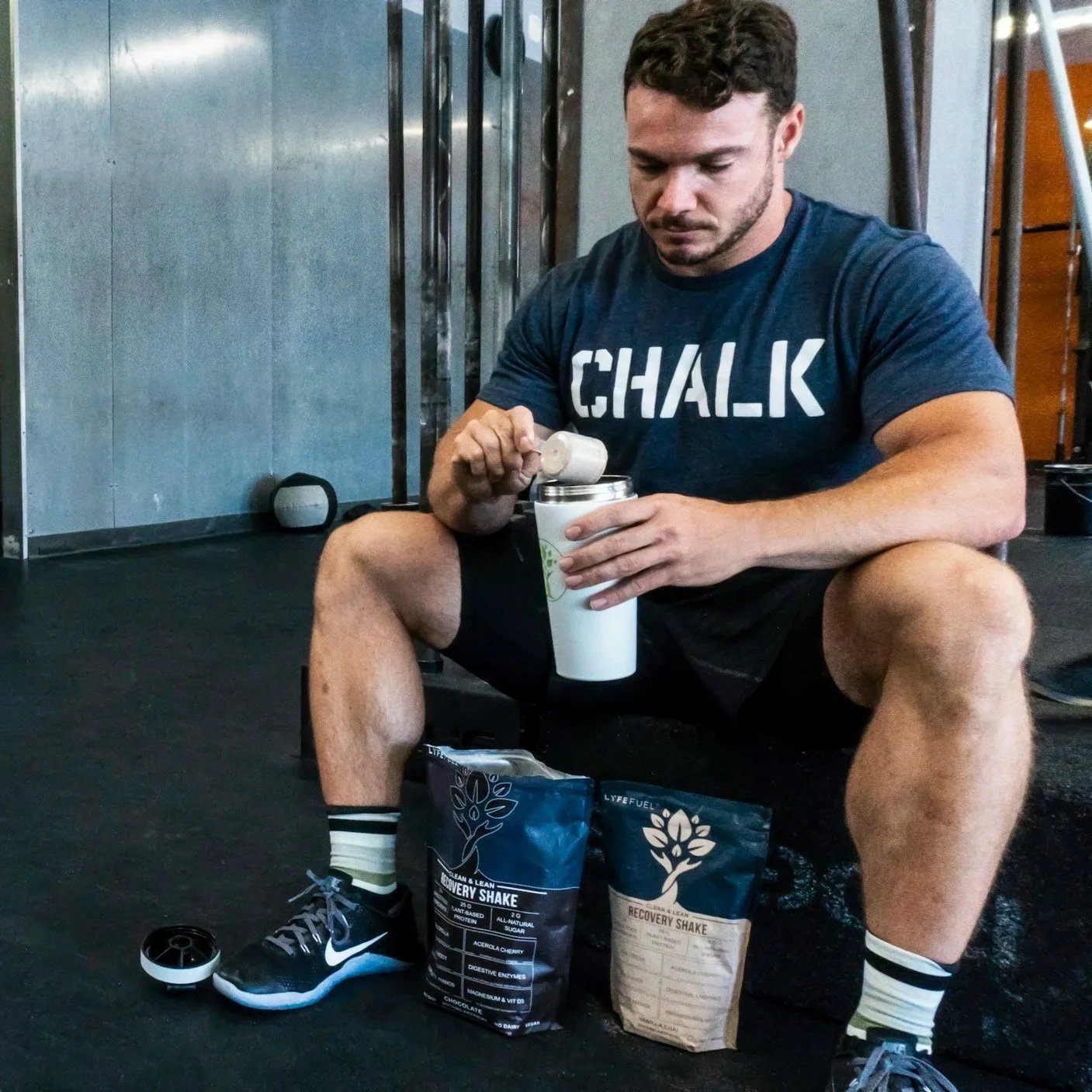
Iron Camp Has Partnered With Gainful
If you want a protein option that stays flexible, Gainful’s model is built around unflavored protein plus flavor boosts so you can change flavors without buying multiple tubs. (See References 13, 14, 15.)
Use code IRONCAMP for 30% off your first order.
10 high-protein, low-calorie ways to use protein powder (best protein-to-calorie picks)
Calories are estimates using common serving sizes. Your exact numbers depend on your powder and portions. These options were chosen for strong protein-to-calorie ratio and real-life practicality. (See References 2.)
1) Water + 1 scoop (best ratio, simplest)
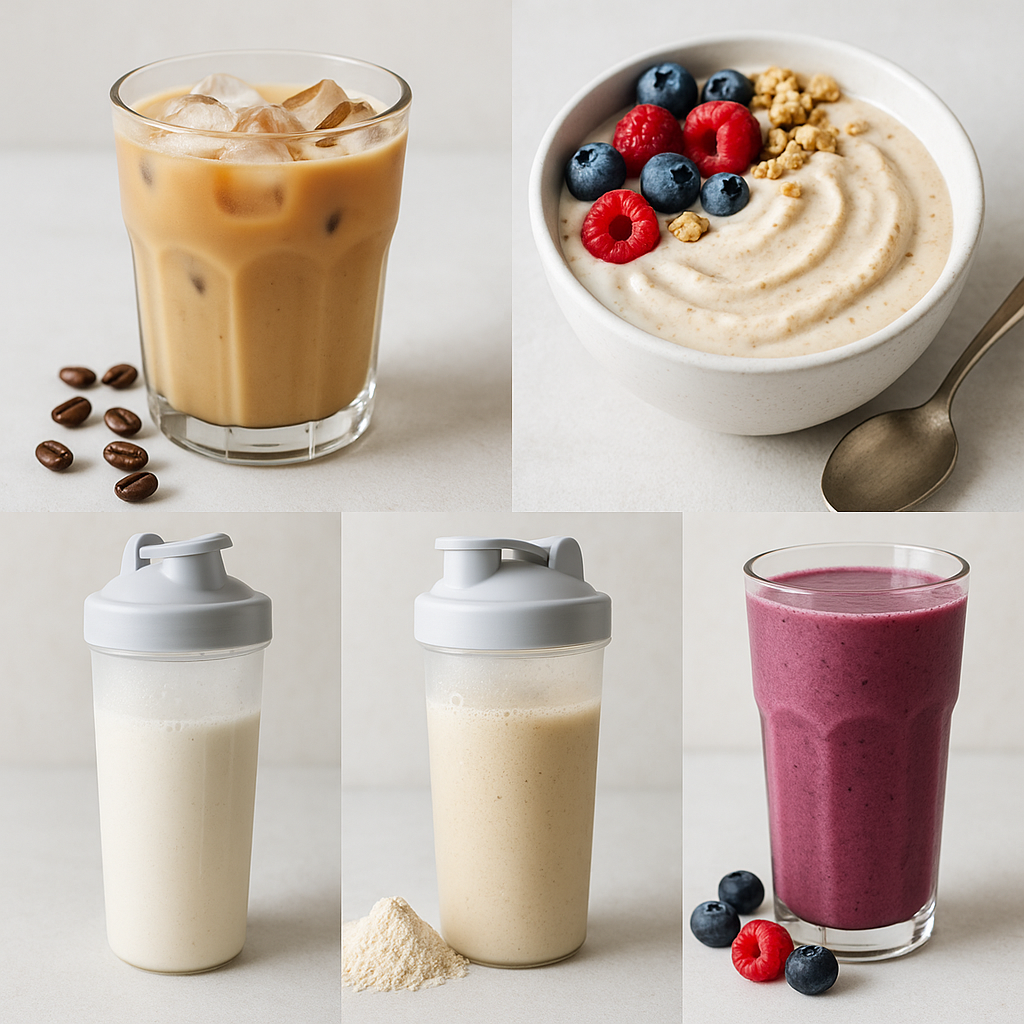
How to make: 8 to 12 oz cold water + 1 scoop, shake 30 seconds. Estimated: 100 to 130 calories, 20 to 30 g protein. Protein per 100 calories: ~18 to 25 g.
2) Iced coffee protein shake (proffee, low calorie)
How to make: Mix scoop with a splash of water first, then add cold brew + ice. Estimated: 100 to 140 calories, 20 to 30 g protein. Protein per 100 calories: ~17 to 25 g.
3) Unsweetened almond milk shake (still efficient)
How to make: 1 cup unsweetened almond milk + 1 scoop. Estimated: 130 to 170 calories, 20 to 30 g protein. Protein per 100 calories: ~14 to 23 g.
4) Skim milk shake (higher total protein)
How to make: 1 cup skim milk + 1 scoop. Estimated: 180 to 220 calories, 28 to 38 g protein. Protein per 100 calories: ~13 to 21 g.
5) Greek yogurt boost bowl (high protein, very filling)
How to make: 1 cup nonfat Greek yogurt + 1/2 scoop mixed in. Estimated: 150 to 190 calories, 25 to 32 g protein. Protein per 100 calories: ~16 to 21 g.
6) High-protein pudding (elite ratio, dessert feel)
How to make: 1 cup nonfat Greek yogurt + 1 scoop, mix until thick, chill 10 minutes. Estimated: 200 to 260 calories, 40 to 50 g protein. Protein per 100 calories: ~18 to 25 g.
7) Cottage cheese whip (blend for texture)
How to make: 1/2 cup low-fat cottage cheese + 1/2 scoop, blend or stir. Estimated: 160 to 220 calories, 22 to 32 g protein. Protein per 100 calories: ~14 to 20 g.
8) Egg white protein shake (best ratio, use pasteurized carton egg whites only)
How to make: 1 cup pasteurized egg whites + 1 scoop + ice, blend. Estimated: 210 to 280 calories, 45 to 60 g protein. Protein per 100 calories: ~20 to 28 g.
9) Berry protein smoothie (low calorie version)
How to make: 1 scoop + 1 cup frozen berries + water + ice, blend. Estimated: 160 to 230 calories, 20 to 30 g protein. Protein per 100 calories: ~9 to 19 g.
10) Half-scoop top-off strategy (highest efficiency across the day)
How to make: Add 1/2 scoop to coffee, yogurt, or a shake to close gaps. Estimated: 50 to 70 calories, 10 to 15 g protein. Protein per 100 calories: ~18 to 30 g.
The Bottom Line
Protein powder is not a scam. It’s a convenience tool. If whole foods get you to your protein target consistently, you are good. If your schedule, appetite, or lifestyle make you fall short, protein powder is the next best option. (See References 1, 2.)
Full text (PMC): https://pmc.ncbi.nlm.nih.gov/articles/PMC5867436/
Full text (PMC): https://pmc.ncbi.nlm.nih.gov/articles/PMC5477153/
Full text (PMC): https://pmc.ncbi.nlm.nih.gov/articles/PMC4985555/
Full text (PMC): https://pmc.ncbi.nlm.nih.gov/articles/PMC6054213/
11) FDA. “Questions and Answers on Dietary Supplements” (DSHEA, premarket approval context).
12) FDA. “Dietary Supplements” (manufacturer responsibilities; adulterated/misbranded).
13) Gainful (brand overview page).
14) Gainful Protein Flavor Boosts (flavor packet collection).
15) Gainful Variety Pack Flavor Boost page (example product page describing mixing/matching).
