Things Social Media Says You “Need” (But You Probably Don’t)
Things Social Media Says You “Need” (But You Probably Don’t)
A common question myth-buster list for fat loss, training, and recovery

A popular fitness influencer makes a claim. They look in shape, so it feels like they know what they’re talking about.
Then I’ll get a DM or a text that says:
“Is this legit?”
So this post is a list of the most common claims clients ask me about. Fitness content is loud, it’s confident, and it’s usually missing context. Sometimes that’s an accident. A lot of the time, it’s missing on purpose. Context does not go viral. Certainty does.
Let’s myth-bust 10 trends and replace them with what actually works.
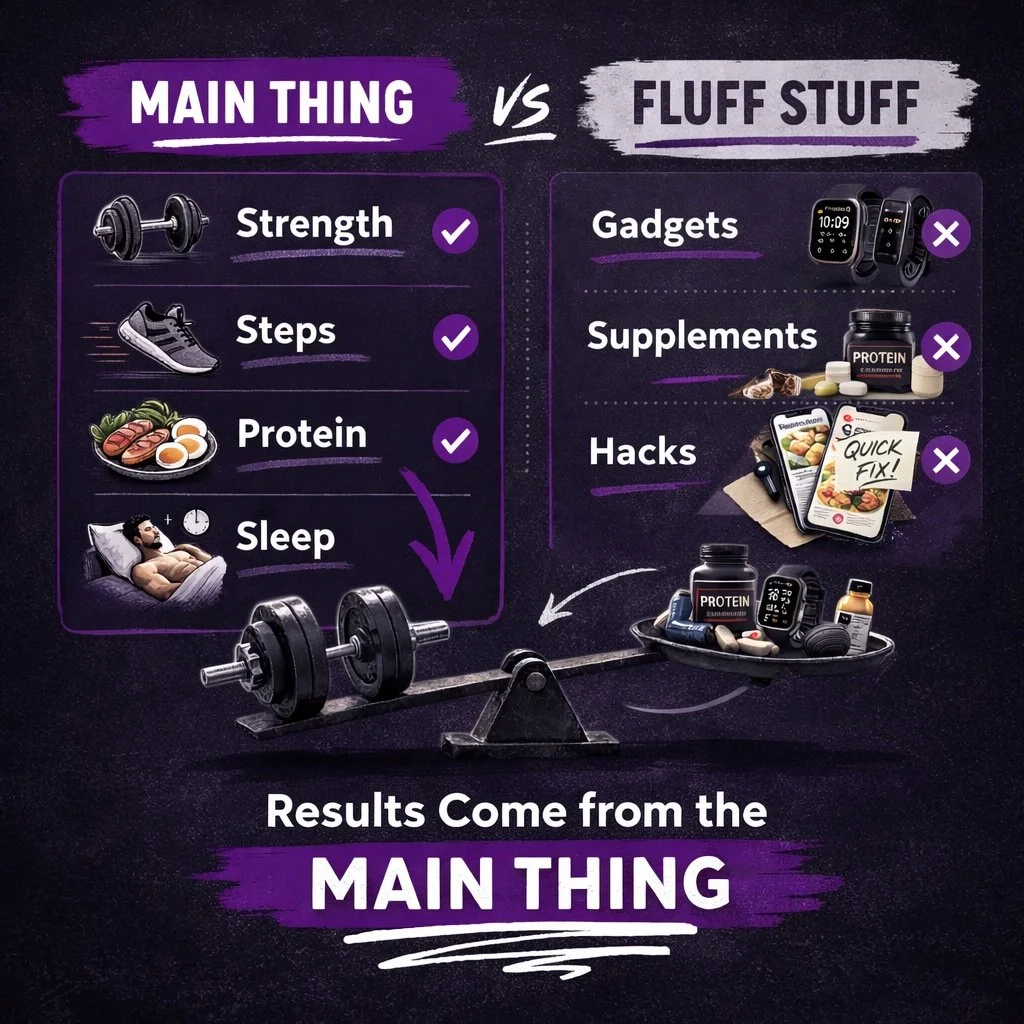
The Iron Camp filter: “Main thing” vs “fluff stuff”
Before we start, here’s the filter I run every trend through:
Does it consistently move the needle for body comp or performance?
Is it sustainable for a normal person with a job, stress, and a life?
Is it the main thing (training, steps, protein, sleep) or fluff stuff that only matters after the main thing is consistent?
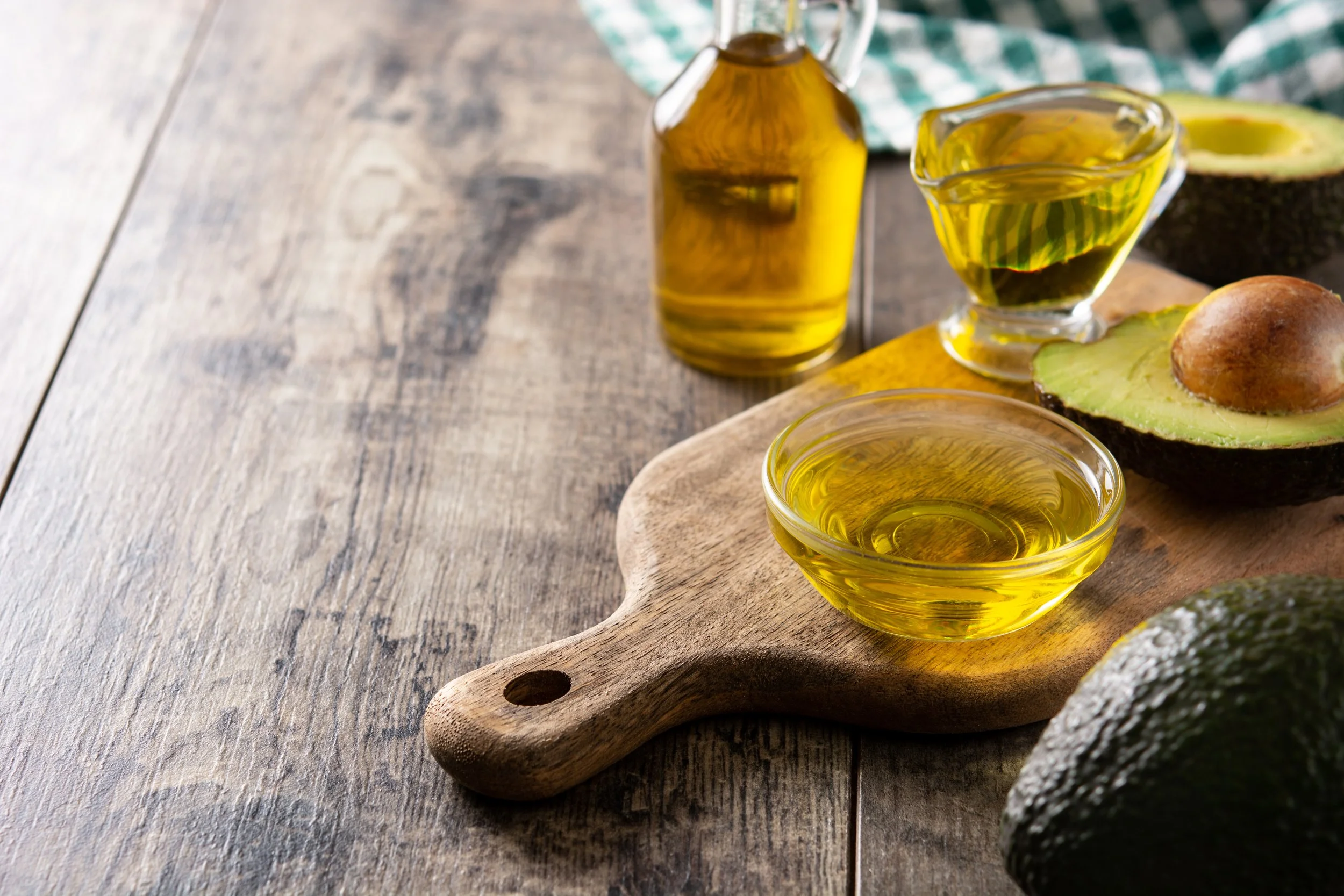
Myth #1: Seed oils are toxic and they’re why you can’t lose fat
Claim (what social media says)
“Seed oils cause inflammation, ruin hormones, and make you gain fat. Cut them out and you’ll get lean.”
Reality
For most people, seed oils are not the reason progress is stalled. The main thing is usually total calorie intake, protein, daily movement, sleep, and consistency.
Also, “seed oils are poison” is not the position of major heart health organizations. The American Heart Association has publicly pushed back on blanket fear-mongering around seed oils. This does not mean fried foods are “healthy.” It means the villain is usually the overall food environment (ultra-processed, calorie-dense eating patterns), not one ingredient by itself. [1]
What to do instead
Cook at home more often and measure fats (tablespoon, not free-pour).
Hit your protein target first, then adjust portions.
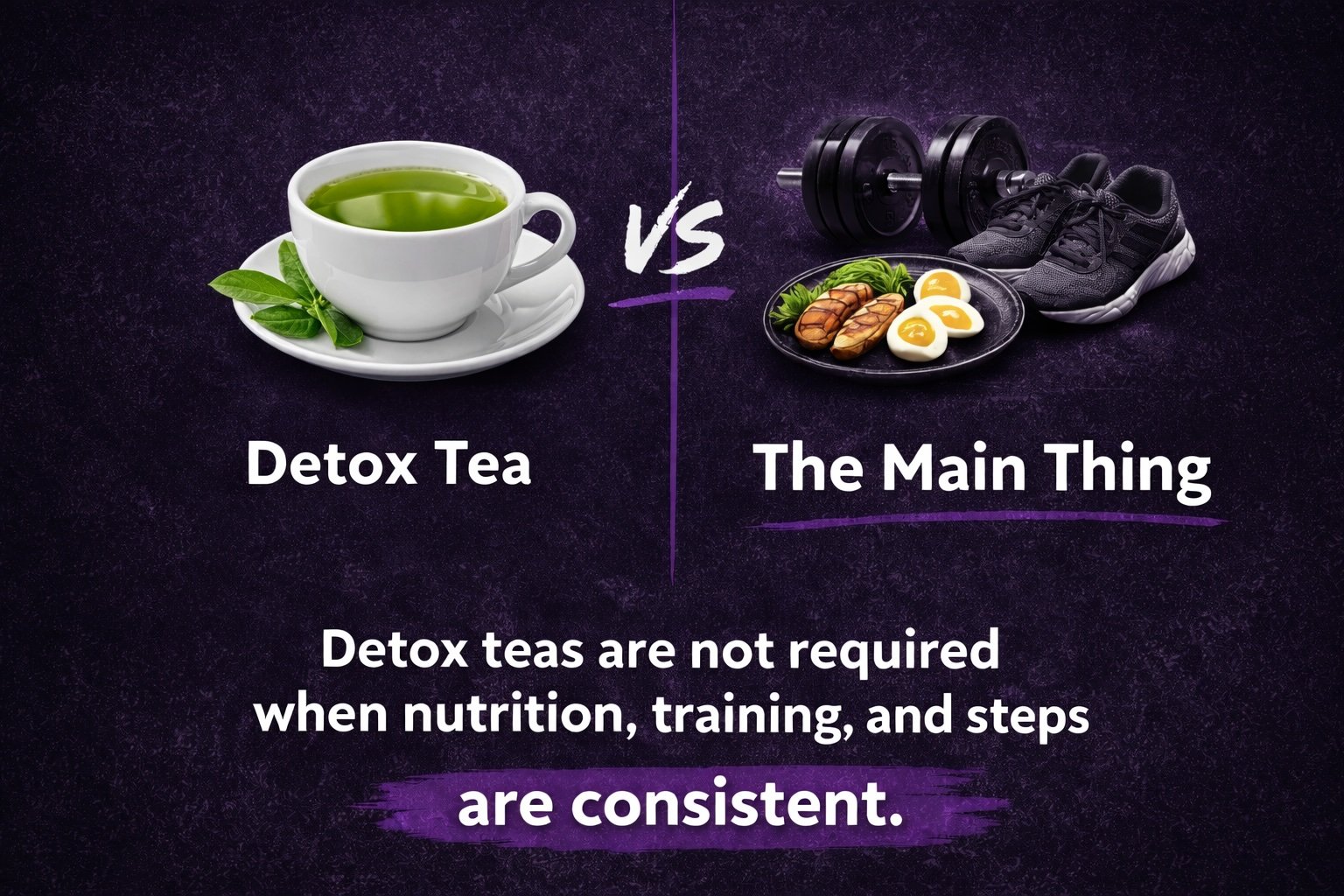
Myth #2: Detox teas and cleanses remove “toxins,” reset your body, and “flush fat”
Claim (what social media says)
“You’re holding toxins. You need a reset. Do this detox tea/cleanse and it’ll flush fat, flatten your stomach, and restart your metabolism.”
Reality
Your body already has an “in-house” detox system. Your liver and kidneys filter and eliminate waste products constantly, so in a healthy person, toxins do not just “build up” waiting for a tea to remove them. [13]
When detoxes do “work” on the scale, it’s usually not because they removed toxins or melted fat. It’s because they temporarily change intake and hydration:
very low calories (short-term weight loss largely from eating less)
lower carbs/sodium (less water retention)
less food volume in your gut
and sometimes laxative/diuretic effects, which can cause dehydration or electrolyte issues if pushed [13][14]
Even NIH sources note there aren’t many high-quality studies, and the evidence so far does not support detox diets for weight loss or toxin removal. Any early weight loss tends to be short-term and commonly reverses when normal eating returns. [14][15]
One more problem: the detox/weight-loss tea space has a real history of sketchy products. The FDA has repeatedly warned that some “weight loss” products (including teas) can contain hidden drug ingredients or contaminants. [16]
What to do instead
If you want a real “reset,” use structure, not a tea:
Anchor protein at 2–3 meals per day
Add produce at most meals for volume and fiber
Pick a step target you can repeat
Strength train 2–4x/week
Keep portions consistent enough to see a weekly trend
Myth #3: You need a CGM to get lean and “avoid glucose spikes”
Claim (what social media says)
“If you’re not tracking glucose spikes, you can’t optimize meals, energy, or fat loss.”
Reality
CGMs can be helpful in medical contexts and for some people with specific metabolic goals. But for many healthy adults, CGM data is easy to misread, and the evidence for improving long-term outcomes in people without diabetes is still limited. [2]
CGM access has also expanded in the U.S., including FDA-cleared over-the-counter options. That convenience is part of why the trend exploded. [3]
What to do instead
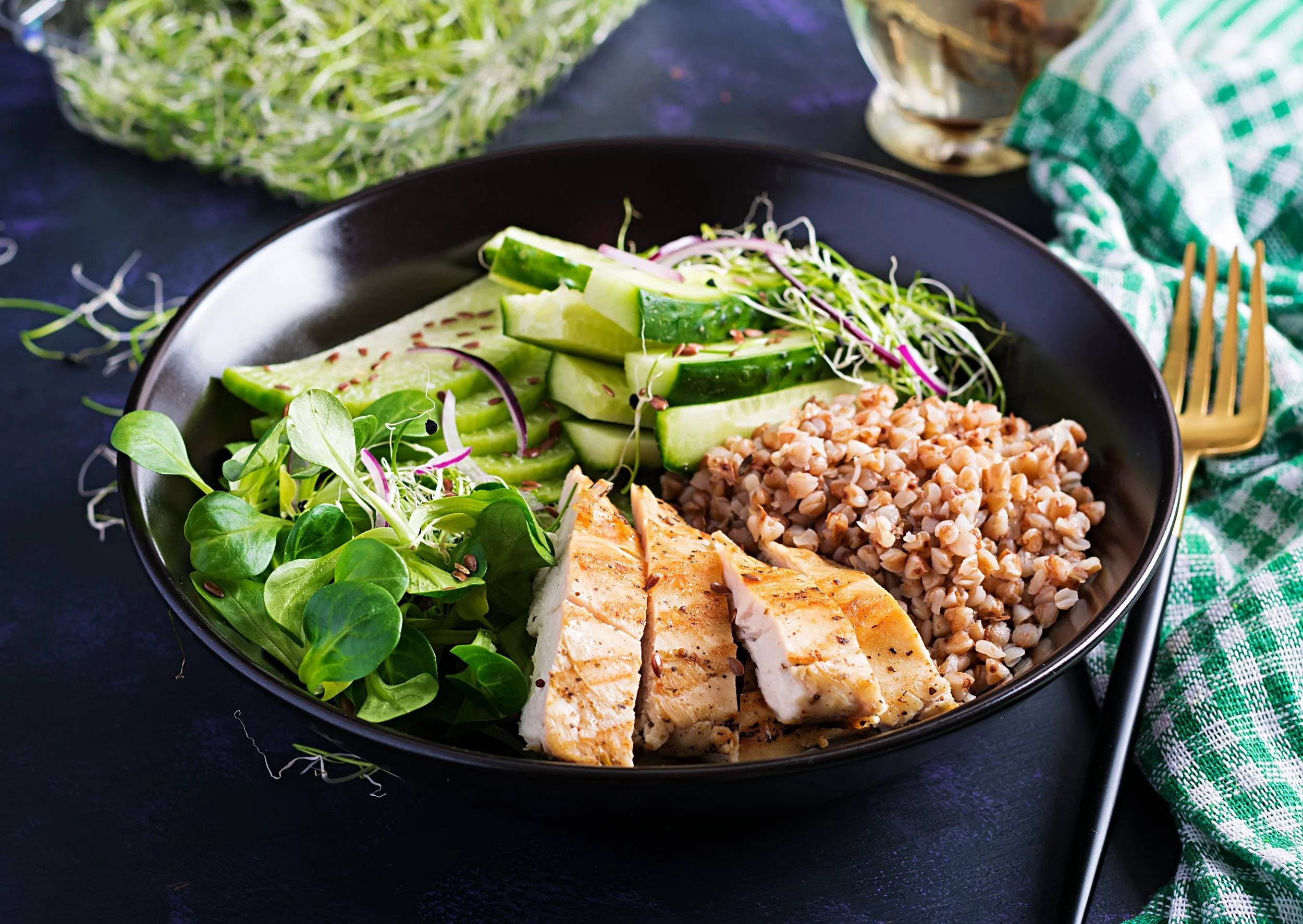
Use a simple “plate rule” instead of a sensor:
Protein anchor
Produce volume
Portion-controlled carbs and fats
Repeat it most days, then adjust portions based on weekly progress.
Myth #4: Weighted vests make fat melt off
Claim (what social media says)
“Wear a weighted vest on walks and the fat will melt off.”
Reality
A weighted vest can increase the energy cost of walking and raise intensity, so it can be a useful tool. But it is not magic. The main thing is whether it helps you do more consistent weekly activity without beating up your joints.
Research on vest loading shows it meaningfully changes metabolic cost, but results still come down to the main thing: total weekly movement and eating habits. [4]
What to do instead
If you want to use a vest: start light and build gradually.
If it bothers your knees/hips/back: skip it and just increase steps or pace.

Myth #5: If you’re not sore, the workout didn’t work
Claim (what social media says)
“No soreness = no progress.”
Reality
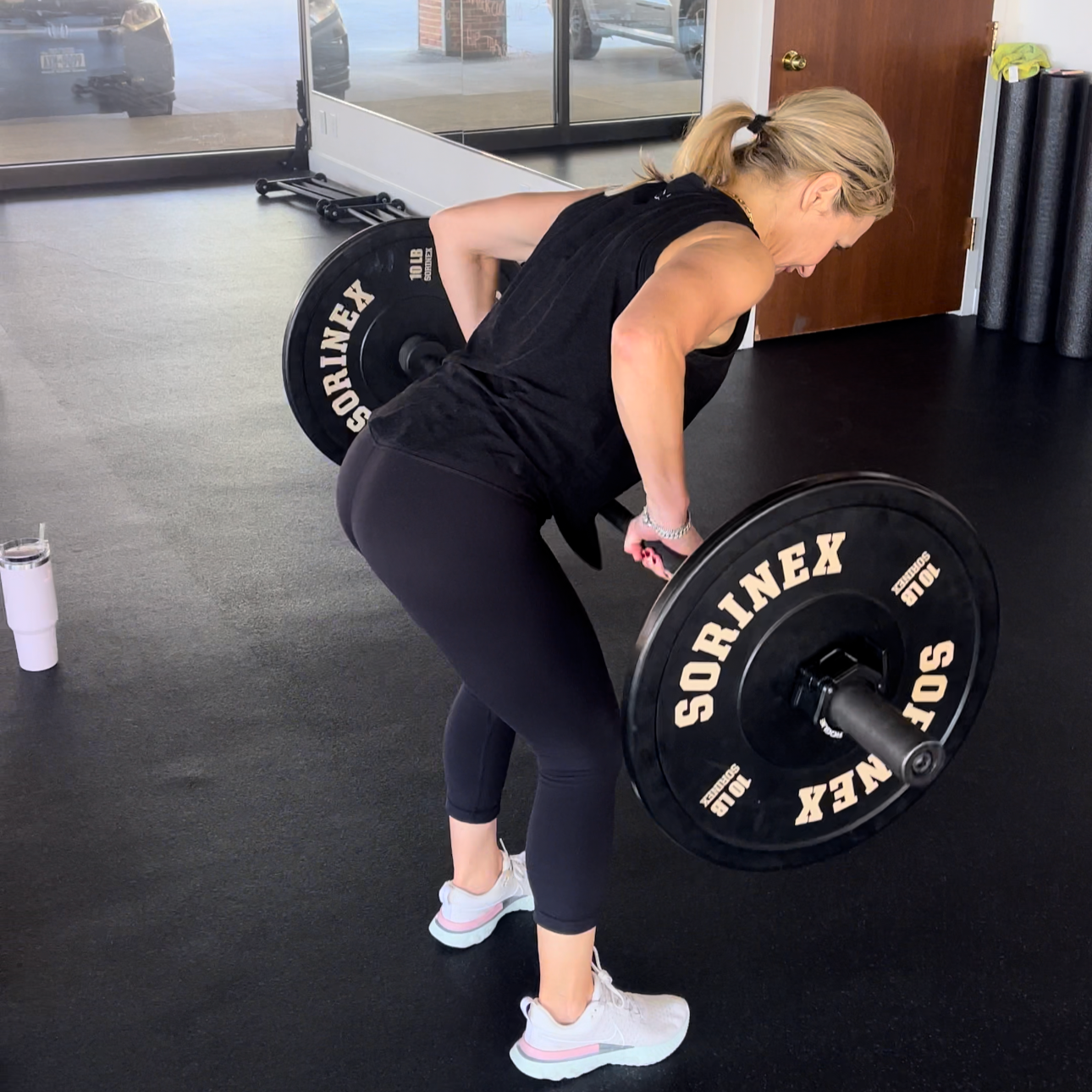
Soreness (DOMS) is not a reliable scorecard for progress. DOMS is more related to novelty, eccentric stress, and doing something you are not adapted to. You can have a productive program and be barely sore, especially once you are consistent.
Cleveland Clinic notes the “no pain, no gain” idea is not necessarily true, and a workout can still be productive without DOMS. [5]
What to do instead
Track performance, not soreness:
Add reps at a given weight
Add load slowly
Add a set over time
Keep form consistent and repeatable
Myth #6: Cold plunges burn fat and boost metabolism
Claim (what social media says)
“Cold plunges activate brown fat and torch calories.”
Reality
Cold exposure can increase energy expenditure acutely and influence brown fat activity in some settings. [6]
But repeated cold exposure does not consistently reduce body weight or fat mass in the research we have. [7]
If you lift, there is evidence that cold-water immersion right after resistance training may slightly blunt hypertrophy gains. Timing matters if muscle growth is the main thing. [8]
What to do instead
Treat cold plunges like fluff stuff, not a fat loss plan.
If muscle growth is a priority, avoid plunging immediately after lifting.

Myth #7: Red light therapy is a cheat code for fat loss
Claim (what social media says)
“Red light melts fat, speeds recovery, and boosts metabolism.”
Reality
Photobiomodulation research is growing, and meta-analyses suggest potential improvements in obesity-related markers. But those same reviews emphasize the need for larger, longer, better trials before treating it like a reliable fat loss tool. [9]
Translation: maybe helpful, but still fluff stuff compared to the main thing.
What to do instead
Put it in the fluff stuff bucket.
Only add it after the main thing is consistent: training, steps, nutrition, sleep.

Myth #8: Apple cider vinegar burns fat
Claim (what social media says)
“Take ACV daily and you’ll suppress appetite and lose weight.”
Reality
Research suggests apple cider vinegar may have modest effects on weight-related outcomes in some studies and meta-analyses, but it is not a primary driver of fat loss. [10]
At best, it is fluff stuff. At worst, it becomes a crutch that replaces actual structure.
What to do instead
If appetite control is the goal:
Increase protein at breakfast/lunch
Add high-volume foods (fruit, vegetables, soups)
Plan one structured snack so you stop grazing

Myth #9: You need hacks, gadgets, and protocols to see results
Claim (what social media says)
“Biohack your way to results. If you’re not optimizing, you’re falling behind.”
Reality
Most people do not need optimization. They need execution.
If you have not nailed consistent strength training and weekly movement, the hacks are just fluff stuff. Major health organizations recommend muscle-strengthening activity at least 2 days per week because it is foundational. [11]
What to do instead
Use a weekly “main thing” scorecard:
Workouts done: ___ / 4
Step target hit: ___ / 7
Protein target hit: ___ / 7
Sleep routine (minimum floor): ___ / 7

Myth #10: Mobility flows can replace strength training
Claim (what social media says)
“Just do mobility flows and you’ll build strength, fix pain, and transform your body.”
Reality
Mobility work is valuable, but it does not replace progressive resistance training if your goals include strength, muscle, resilience, and body composition.
A systematic review and meta-analysis found strength training can increase range of motion and, in many cases, perform similarly to stretching depending on context and programming. [12]
What to do instead
Mobility flows: 10–15 minutes as warm-up or recovery
Strength training: 2–4 sessions per week
Use mobility to lift better, not to avoid lifting

The takeaway
Most trends are optional. The main thing is not.
If a trend helps you do the main thing more consistently, great.
If it replaces the main thing, it is usually a detour.

References
American Heart Association. “There’s no reason to avoid seed oils and plenty of reasons to eat them.” Aug 20, 2024. (heart.org)
Ahmed N, et al. “Use of Continuous Glucose Monitoring in Non-diabetic Individuals…” 2025. (pmc.ncbi.nlm.nih.gov)
U.S. FDA. “FDA clears first over-the-counter continuous glucose monitor.” Mar 5, 2024. (fda.gov)
Looney DP, et al. “Metabolic Costs of Walking with Weighted Vests.” 2024. (pubmed.ncbi.nlm.nih.gov)
Cleveland Clinic. “Delayed Onset Muscle Soreness (DOMS).” Updated Dec 19, 2025. (my.clevelandclinic.org)
Huo C, et al. “Effect of Acute Cold Exposure on Energy Metabolism and Brown Adipose Tissue Activity.” 2022. (pmc.ncbi.nlm.nih.gov)
Scott MC, et al. “The Effects of Intermittent Cold Exposure on Adipose Tissue.” 2023. (pmc.ncbi.nlm.nih.gov)
Piñero A, et al. “Throwing cold water on muscle growth: systematic review on cold-water immersion after resistance training.” 2024. (onlinelibrary.wiley.com)
Sun W, et al. “Effectiveness of photobiomodulation therapy in obese patients: systematic review and meta-analysis of RCTs.” 2025. (pmc.ncbi.nlm.nih.gov)
Castagna A, et al. “Effect of Apple Cider Vinegar Intake on Body Composition… systematic review and meta-analysis of RCTs.” 2025. (pmc.ncbi.nlm.nih.gov)
ACSM. “Physical Activity Guidelines” (muscle-strengthening at least 2 days/week). (acsm.org)
Afonso J, et al. “Strength Training versus Stretching for Improving Range of Motion: systematic review and meta-analysis.” 2021. (pmc.ncbi.nlm.nih.gov)
Harvard Health Publishing. “Lose Weight and Keep It Off” (includes section noting detox diets/cleanses are unnecessary; liver/kidneys handle detox; laxative-based cleanses can cause dehydration/electrolyte issues). (health.harvard.edu)
NIH News in Health. “Do Detox Diets and Cleanses Work?” (notes limited high-quality studies; evidence doesn’t support detox for weight loss or toxin removal; short-term weight loss often due to fewer calories and regained after). (newsinhealth.nih.gov)
NCCIH (NIH). “Detoxes and ‘Cleanses’: What You Need To Know” (summarizes reviews finding no compelling evidence detox diets eliminate toxins or manage weight long-term). (nccih.nih.gov)
U.S. FDA. “Weight Loss Product Notifications” (warns many weight-loss products, including teas, may contain dangerous hidden ingredients). (fda.gov)
