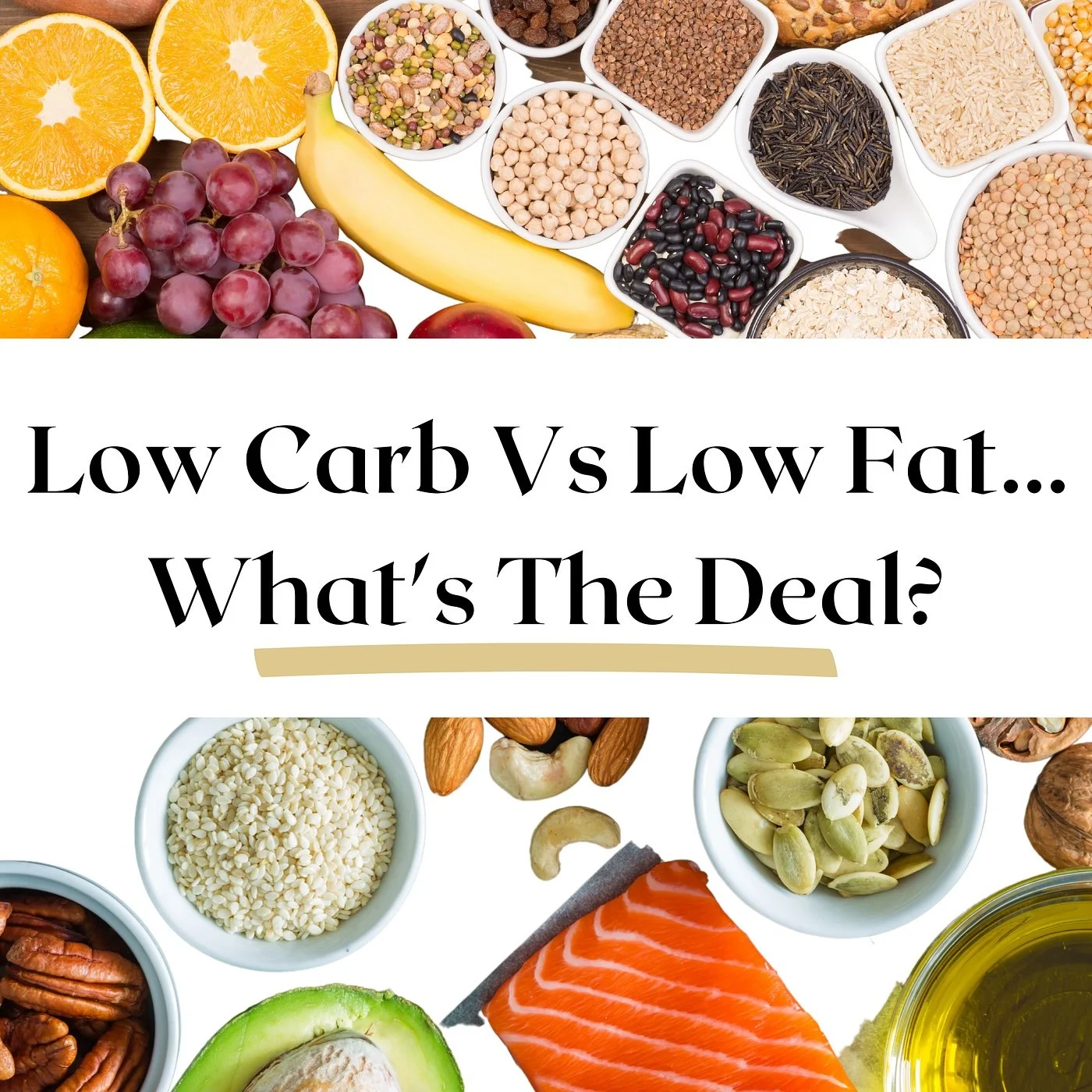
Low Carb vs Low Fat: What Works Best and For Who?
Estimated Read Time: 10–12 minutes
The Diet Debate That Won’t Die
Walk into any gym. Scroll social media. Talk to anyone trying to lose weight.
You’ll hear it:
“Carbs are the problem”
“Fat is the problem”
“You just need to eat clean”
Everyone has a side.
But here’s the reality:
Both low carb and low fat diets can work.
Both can also fail.
The difference isn’t the diet.
It’s how it’s applied.
Calories Still Run the Show
Before anything else, understand this:
Fat loss comes down to a calorie deficit.
You burn more calories than you consume
Your body uses stored energy
This is consistently supported in research [1][2].
So when people say:
“Low carb works”
“Low fat works”
What they really mean is:
“This helped me eat fewer calories consistently.”
Low Carb: Why People Swear By It
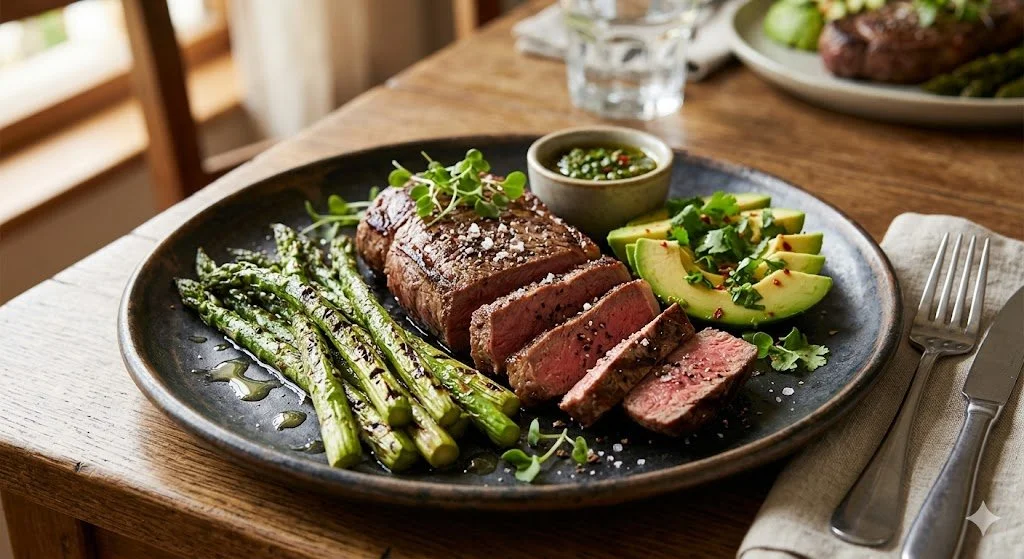
Low carb diets reduce carbohydrates and shift intake toward protein and fat.
Think:
Steak
Eggs
Avocado
Vegetables
Why It Works
Low carb diets often increase protein intake, which is a major driver of satiety [3].
They also:
Reduce highly processed food intake
Stabilize blood sugar for some individuals [4]
Simplify decision-making
What Low Carb Does Well
Reduces cravings (especially sugar)
Helps control appetite
Useful for those who overeat processed carbs
Can improve blood sugar control in some individuals [4]
Where It Falls Short
Harder to sustain socially
May reduce high-intensity performance (especially early on)
Not ideal for everyone
Energy may feel lower for some
Low Fat: The Other Side of the Coin
Low fat diets reduce fat intake and increase carbohydrates and protein.
Think:
Rice
Potatoes
Fruit
Lean protein
Why It Works
Fat is calorie-dense:
Fat = 9 kcal per gram
Carbs = 4 kcal per gram
Reducing fat intake often lowers total calorie intake without extreme restriction [5].
What Low Fat Does Well
Allows for higher food volume
Supports training performance
Easier for those who enjoy carbs
Often more sustainable long-term
Where It Falls Short
Hunger can increase if protein is low
Easy to overeat carbs
Less satisfying for some
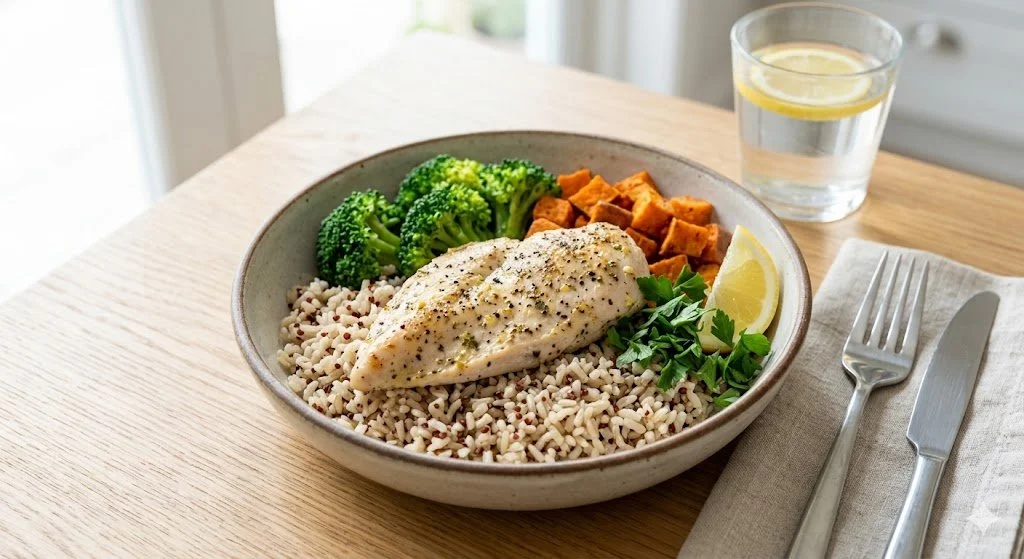
What the Research Actually Shows
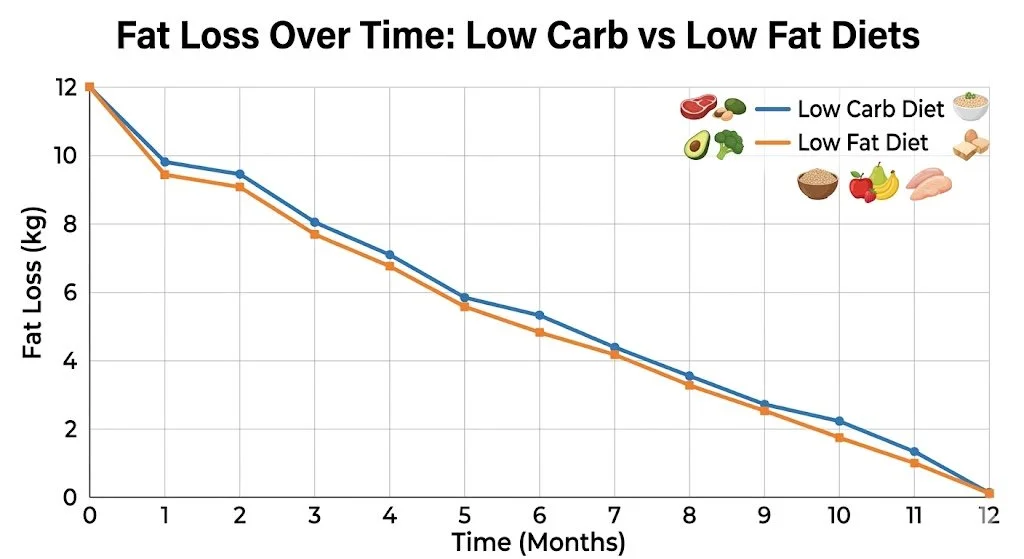
When calories and protein are controlled:
Low carb and low fat diets produce similar fat loss results [6][7].
Not identical.
But close enough that diet type is not the deciding factor.
What Actually Matters More
Total calorie intake
Protein intake
Consistency over time
The Real Game-Changer: Adherence
This is where most people fail.
Not because the diet doesn’t work.
Because they can’t stick to it.
Simple Rule
If you can’t follow it for 12+ weeks:
It won’t work
It doesn’t matter how effective it looks on paper
Who Should Go Low Carb?
Low carb may be a better fit if you:
Struggle with sugar cravings
Overeat processed foods
Prefer fatty, savory meals
Don’t rely on high-intensity training
Also consider if:
You want tighter blood sugar control
You prefer simpler food rules
Who Should Go Low Fat?
Low fat may be a better fit if you:
Train hard and often
Enjoy carbs
Prefer larger portion sizes
Want flexibility in social settings
Also consider if:
Performance matters
You train with higher volume
Protein: The Non-Negotiable
This is where most people go wrong.
They focus on carbs vs fat…
…and ignore protein.
Why Protein Matters
Preserves lean mass during fat loss [8]
Increases satiety [3]
Supports recovery and strength
Simple Target
0.7–1.0g per pound of bodyweight
Applies to both approaches.
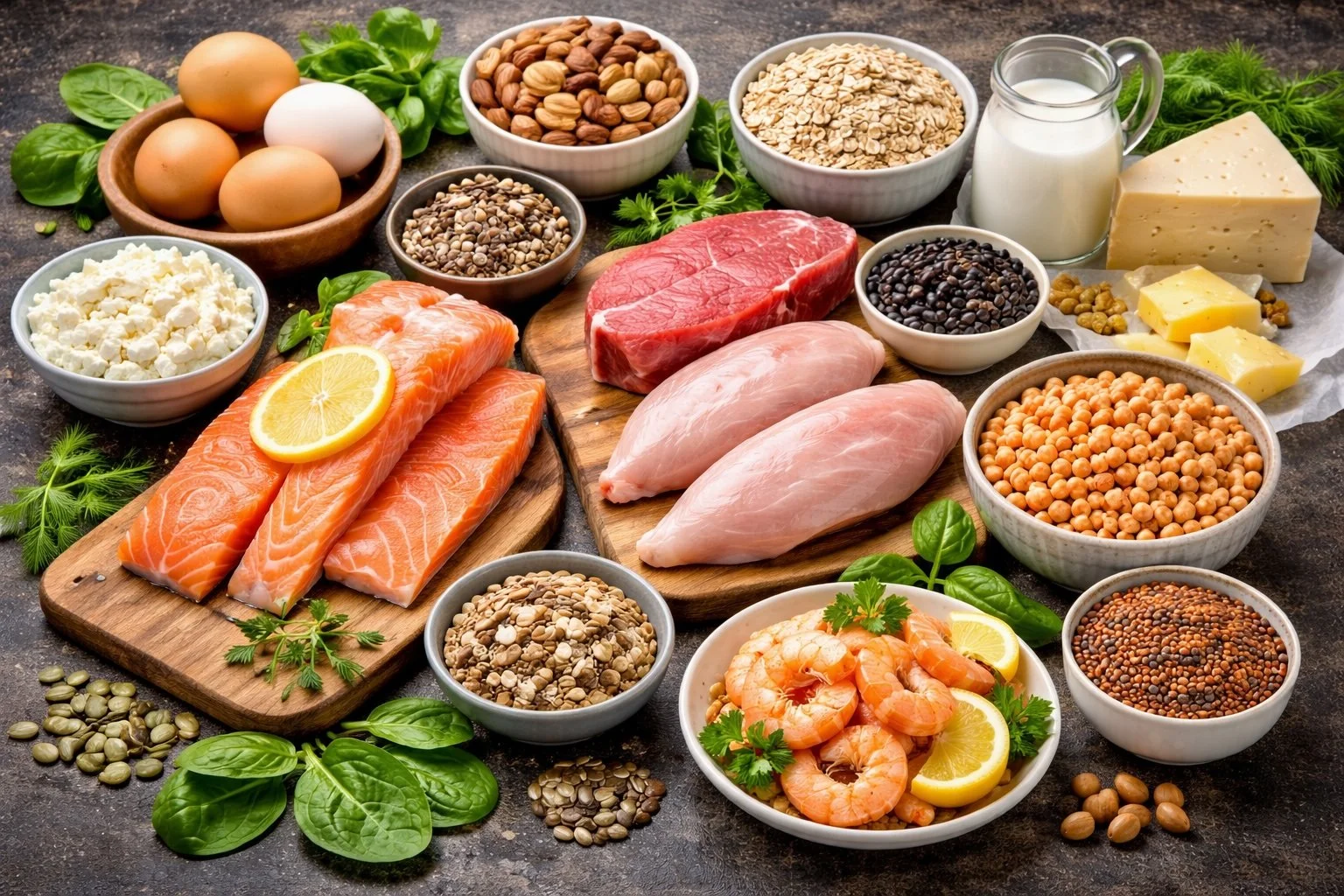
Free Nutrition Guide: Start Here
If you’re unsure whether low carb or low fat is right for you, start with the foundation.
Why Nutrition Matters
Training breaks your body down.
Nutrition builds it back stronger.
No fuel → no performance
No protein → no muscle
No consistency → no results
The right nutrition:
Fuels your training
Builds lean muscle
Keeps body fat in check
Simple. But not easy.
Download the Free Guide
Performance Considerations
If you train, your diet should support that.
Low Carb
May reduce high-intensity output initially
Requires adaptation
Less ideal for volume-heavy training
Low Fat
Supports glycogen stores
Better for high-volume training
Typically supports strength and performance
The Iron Camp Approach
We don’t force diets.
We build systems.
Step-by-Step Framework
1. Set Calories
Create a realistic deficit
2. Lock in Protein
Non-negotiable
3. Adjust Carbs and Fats
Based on:
Preference
lifestyle
training demands
Real Example
Client A:
Trains 4–5x per week
Loves carbs
→ Higher carb approach
Client B:
Constant cravings
Sedentary
→ Lower carb approach
Same goal. Different strategy. Both work.
Common Mistakes That Kill Progress
Thinking one diet is superior
Ignoring total calories
Not eating enough protein
Switching strategies too often
Going all in, then quitting
So… Which One Is Better?
Neither.
And also:
Both.
The Real Answer
Low carb works
Low fat works
The best diet is the one you can stick to consistently
The Bottom Line
If you’re not seeing results, it’s not the diet.
It’s:
Lack of consistency
No calorie control
Not enough effort in training
Start Following a System
Stop jumping between diets.
Start following a structured plan.
The Iron Camp Method gives you:
Strength training that builds results
Nutrition that fits your lifestyle
A system you can stick to
References
[1] Hall KD et al. Energy balance and its components. Am J Clin Nutr.
PMID: 23097268
[2] Hall KD et al. Quantification of the effect of energy imbalance on bodyweight. Lancet.
PMID: 21872751
[3] Weigle DS et al. A high-protein diet induces sustained reductions in appetite. Am J Clin Nutr.
PMID: 16002808
[4] Feinman RD et al. Dietary carbohydrate restriction and metabolic health. Nutrition.
PMID: 25287761
[5] Rolls BJ et al. Dietary energy density and weight control. Am J Clin Nutr.
PMID: 17023702
[6] Gardner CD et al. Effect of low-fat vs low-carb diet on weight loss (DIETFITS). JAMA.
PMID: 29466592
[7] Hu T et al. Effects of low-carb vs low-fat diets on weight loss. Am J Epidemiol.
PMID: 22804179
[8] Morton RW et al. Protein supplementation and muscle mass. Br J Sports Med.
PMID: 28698222
