If I Only Had 3 Days to Train
Estimated read time: 9-10 minutes
If I Only Had 3 Days to Train
If I only had three days a week to train, I would not look at that like a limitation. I would look at it like enough.
That is the point of this article.
A lot of people think real progress only happens when you train five or six days a week. They assume that if life gets busy and they can only commit to three days, they are just maintaining at best. But for general population adults, a well-structured three-day strength plan is already above the basic public-health recommendation of muscle-strengthening work on two or more days per week [1][2].
That does not mean three days is the magical best number for everyone. It does mean three days is enough to build strength, improve fitness, and make meaningful progress when the program is structured well and the work is done with consistency and effort. The bigger issue for most people is not lack of days. It is lack of structure, lack of progression, and lack of intent inside the sessions they already have. That is exactly why I believe in a smart three-day setup.
Most People Do Not Need More Days. They Need Better Days.
The fitness industry pushes people toward more everything.
More days. More exercises. More intensity. More variety. More complexity.
But more only helps if you can recover from it, stick to it, and perform enough quality work for it to matter. Research on resistance-training frequency shows that when total training volume is equated, higher frequency does not appear to provide a meaningful hypertrophy advantage by itself. For strength, higher frequency can help in some analyses, but that advantage disappears in volume-equated comparisons [3][4].
That is good news for busy adults.
If you have three real training days, you can still cover the major movement patterns, challenge the whole body, recover, and come back the next week ready to do it again. That is how progress is built in the real world.
Structure Matters More Than Motivation
When people say they only have three days to train, what they usually need is not motivation. They need clarity.
They do not need to walk into the gym and guess. They do not need random workouts. They do not need a thousand exercise options and no real direction. They need a plan that tells them what matters and lets them repeat it long enough to get better at it.
That is why a full-body structure makes so much sense for general population adults. It gives you multiple chances each week to train the body as a whole, practice key movement patterns, and build momentum without needing a perfect schedule. It also makes the week more resilient. If life gets messy and a day shifts, the program still makes sense.
That matters more than people realize. A program is only good if you can actually follow it.
Three Days Is Enough for Real Results
If I only had three days to train, I would want every session to count.
That does not mean every workout has to destroy you. It means every workout needs to include meaningful work. The kind that challenges muscle, reinforces good movement, and creates enough stimulus to actually produce an adaptation.
Training volume is one of the clearest variables tied to muscle growth. Meta-analytic data show a dose-response relationship between weekly resistance-training volume and hypertrophy, meaning that more productive weekly work tends to drive more muscle gain up to a point. A separate training study in trained men also found that higher training volumes produced greater hypertrophy, even when strength gains were similar across groups [5][6].
That does not mean everybody needs bodybuilder-level volume. It means the work you do needs to be real. Three days can absolutely be enough, but not if those three days are just casual movement and box-checking.
Effort Is the Part Most People Skip
This is the part people do not always want to hear.
A three-day plan works if you work.
There is a difference between saying, “I trained three days this week,” and saying, “I completed three productive training sessions this week.” A lot of people confuse attendance with stimulus. They show up, but the loads are too light, the sets are too easy, and the effort drops off the second discomfort begins.
The research here is useful because it adds nuance. Sets do not necessarily need to go to absolute failure every time, but hypertrophy tends to improve as sets are performed closer to failure. Strength gains appear to be possible across a broader range of reps in reserve, while muscle growth seems to benefit more when sets are terminated closer to failure [7][8].
In plain English, your working sets should feel like working sets.
Not sloppy. Not lazy. Not ego-driven.
Just honest.
That is one of the biggest reasons people stall. They think they need a more advanced program when what they really need is more intent and better execution inside the one they already have.
Simplicity Is Not a Weakness
Some people hear “three-day full-body program” and assume it sounds basic.
It is basic in the right way.
A good program does not need to be complicated to work. In fact, too much complexity often gets in the way. Complex training tends to make it harder to stay consistent, harder to recover, and harder to track whether you are actually improving.
Simple structure gives you clarity. It gives you progression. It gives you a repeatable week you can build around.
And that is what most adults need.
Not more noise. Not more novelty. Not workouts designed to impress people on social media. Just training that makes sense, fits real life, and produces results when followed consistently.
Three Days Fits Real People With Real Schedules
This approach works for a lot of people.
If you are a beginner, three days is enough to learn the basics and build a foundation without getting overwhelmed.
If you are a busy parent or working professional, three days is realistic enough to maintain year-round.
If you used to train seriously but fell off, three days is a strong way to get back in.
If you are over 40, three days often gives you enough room to train hard while still recovering well and managing the rest of your life.
That is one of the hidden advantages of a three-day plan. It is not just effective. It is repeatable.
And repeatable beats impressive every time.
Recovery and Repeatability Matter
Training is only part of the equation. You still have to recover from it well enough to keep doing it.
For most adults, recovery is not just about supplements and perfect sleep routines. It is also about work stress, kids, schedules, travel, soreness tolerance, and mental bandwidth. That is another reason a three-day structure works so well. It leaves room for life.
It also fits well with the bigger idea behind physical-activity guidelines: do enough consistently to improve health and function, then build from there. Adults are advised to include muscle-strengthening work at least two days per week, and three days is a practical way to comfortably exceed that baseline without making training feel like a second full-time job [1][2].
A program you can follow for 12 weeks will do more for you than a perfect-looking plan you quit after 12 days.
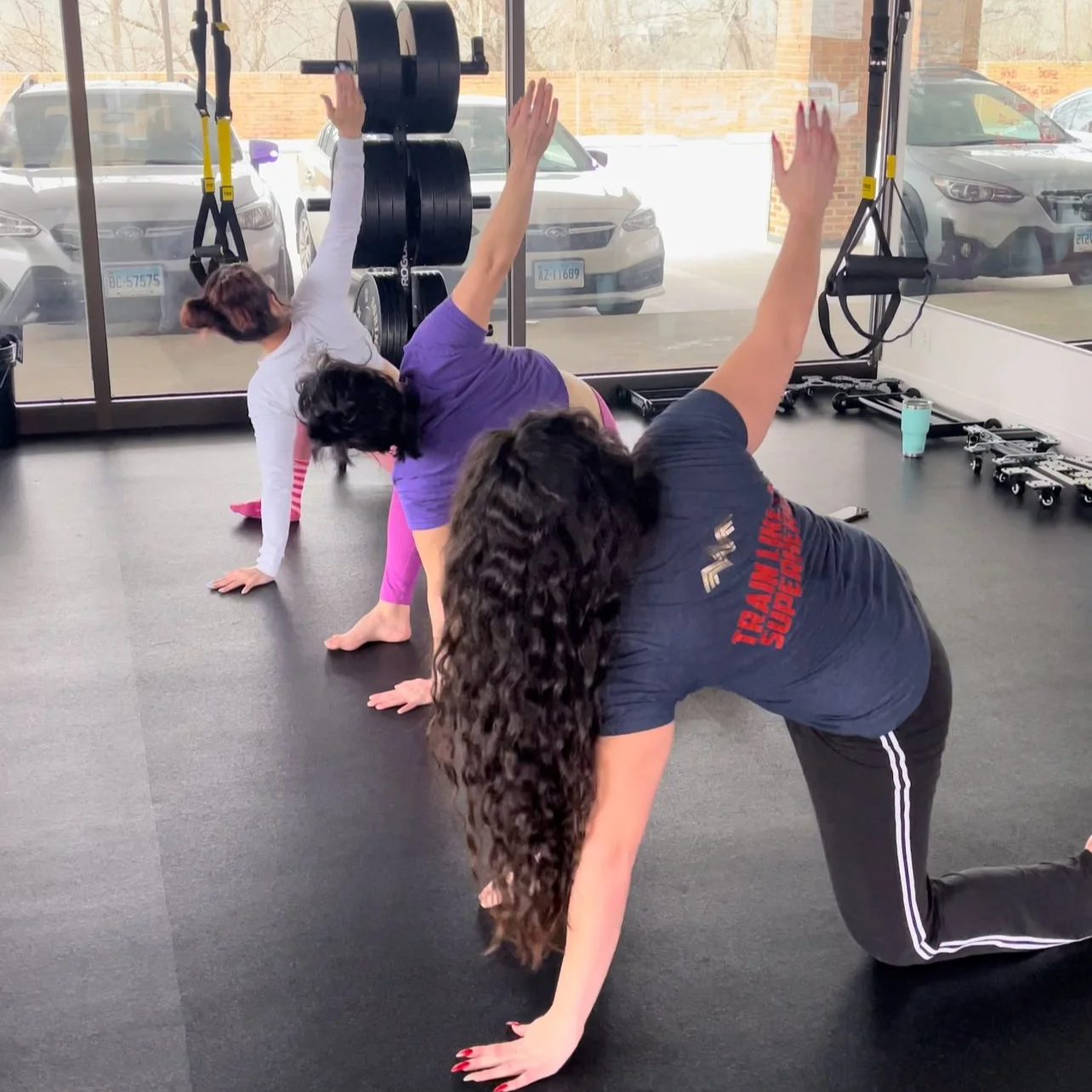
If I Only Had 3 Days, Here’s What I’d Want
If I only had three days to train, I would want a program that gives me:
Clarity
I want to know what I am doing when I walk in.
Full-body coverage
I want the week to make sense and hit what matters.
Progression
I want the structure to help me improve over time.
Enough challenge
I want the work to be hard enough to matter.
Recovery I can manage
I want to train hard without wrecking the rest of my week.
A format I can sustain
I want something I can repeat consistently.
That is what makes a three-day structure so useful. It does not ask you to be perfect. It asks you to be consistent, focused, and honest about the effort.
The Nutrition Piece Still Matters
This article is mainly about training, but nutrition still matters.
Three good lifting days can absolutely change your body, but your eating habits still need to support the goal. That does not mean perfection. It does mean that progress is harder when nutrition is completely disconnected from training.
Protein matters. Total intake matters. Recovery matters.
That is why keeping the nutrition side simple matters too.
Download the Free Iron Camp Nutrition Guide
Need help with the nutrition side of the process? Download the free Iron Camp Nutrition Guide to get started with the basics that support your training.

Why This Matters for Iron Camp
This way of thinking is a big part of the Iron Camp philosophy.
Most people do not need more confusion. They need a method they can follow. They need training that fits their schedule, gives them structure, and helps them make real progress without wasting time on random workouts.
That is exactly why the Iron Camp Base Program makes sense.
It is the same core training philosophy and the same practical idea: train hard, train with structure, and do it consistently enough for it to matter.
If you want a program that respects real life but still pushes you toward real results, this is for you.
Final Thoughts
If I only had three days to train, I would stop acting like that was not enough.
I would treat it like a real plan.
I would focus on structure over randomness, effort over excuses, and consistency over perfection.
Because that is what gets results.
Not doing everything.
Doing the right things, repeatedly.
Three days is enough. You just need a program that makes those three days count.
