Articles
Practical Iron Camp articles on strength training, mobility, recovery, nutrition, and building a stronger body that lasts.
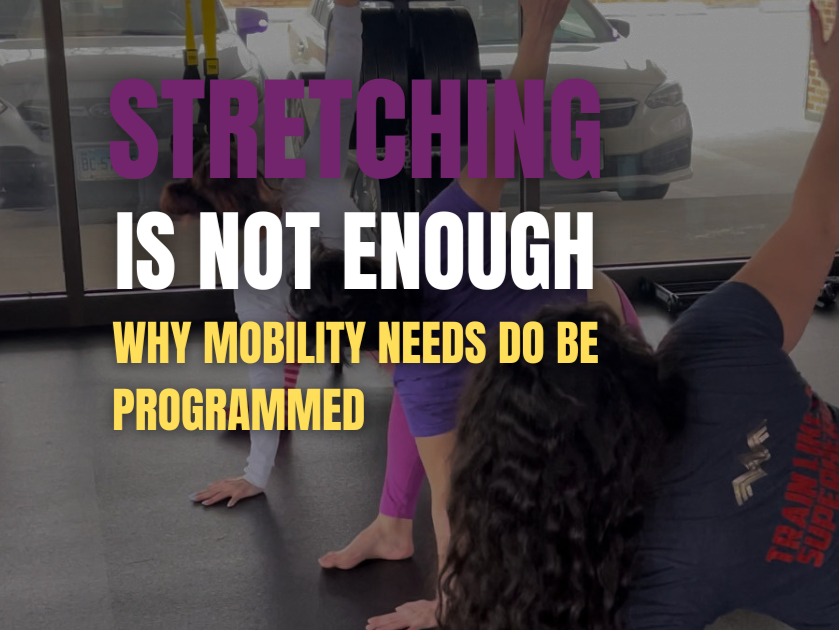
Stretching Is Not Enough: Why Mobility Needs to Be Programmed
A 10-minute stretch after a workout may help you feel looser, but it is not the same as building real mobility. Proper mobility work requires structure, consistency, active control, and strength through range. In this article, we break down the difference between stretching and mobility, why random stretching has limits, and how Iron Camp’s Stretch and Mobility sessions are designed to help you move better, train better, and feel better.
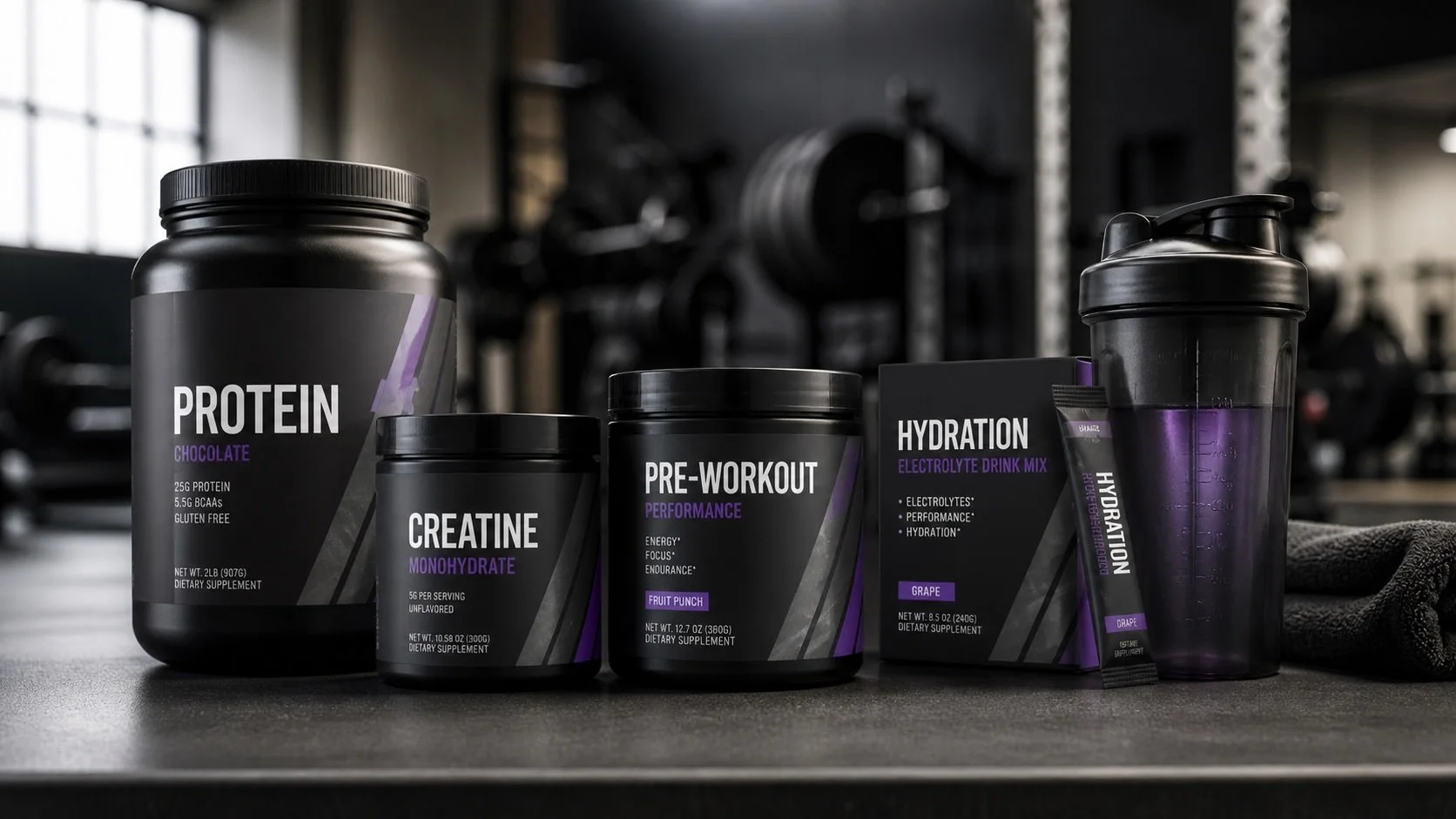
Do You Actually Need Supplements, Or Are You Just Being Sold Something?
Supplements can support your training, nutrition, hydration, and recovery, but they are not the foundation. Here is who can actually benefit, what is worth considering, what is overhyped, and why supplement quality matters.
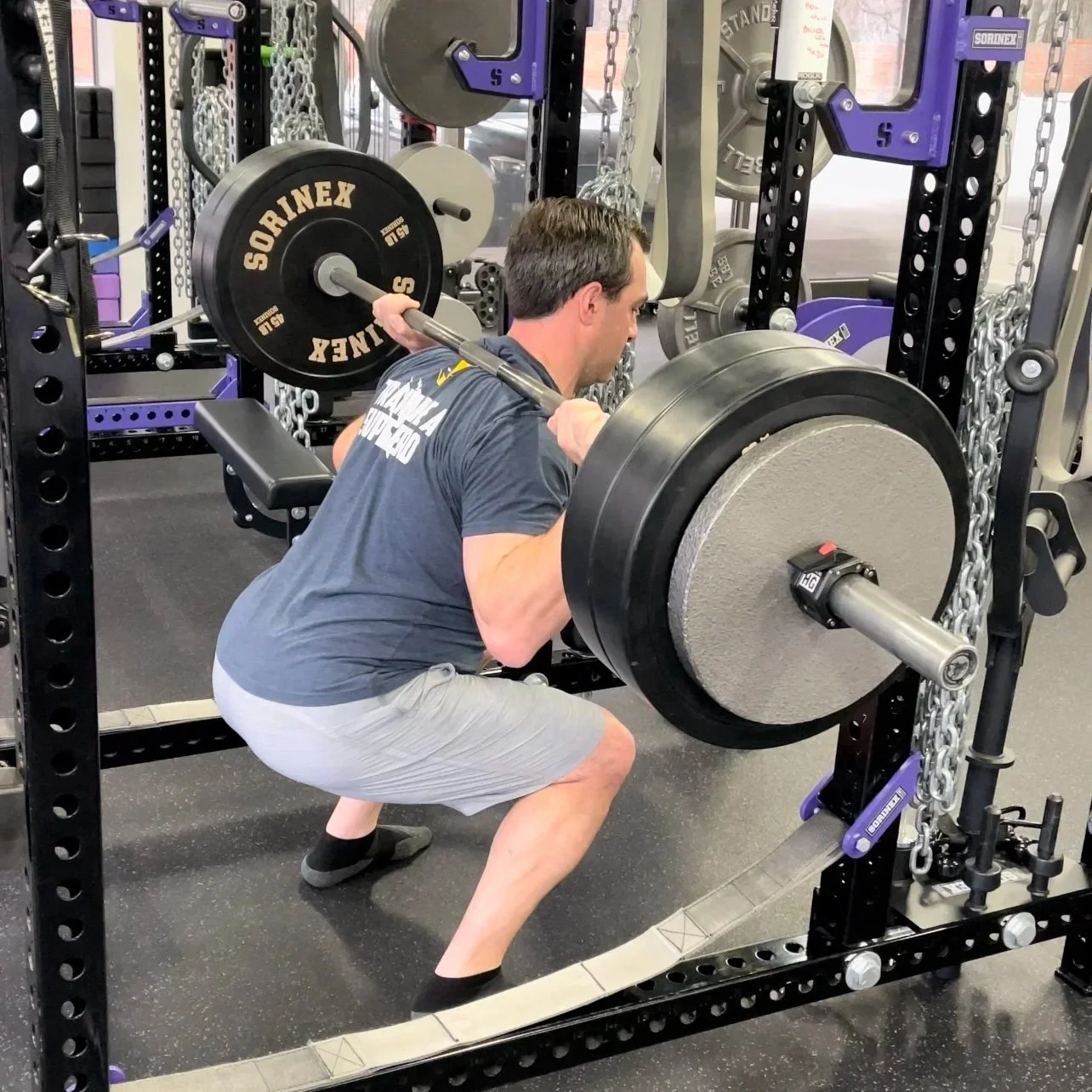
Why Strength Training Matters More After 40, Not Less
Strength training after 40 is not about trying to train like you did in your 20s. It is about building the muscle, mobility, confidence, and physical reserve needed to age with more control. In this article, we break down why strength matters more with age, how it supports bone density, metabolism, joint health, and longevity, and why the goal after 40 should not be doing less. It should be training smarter.
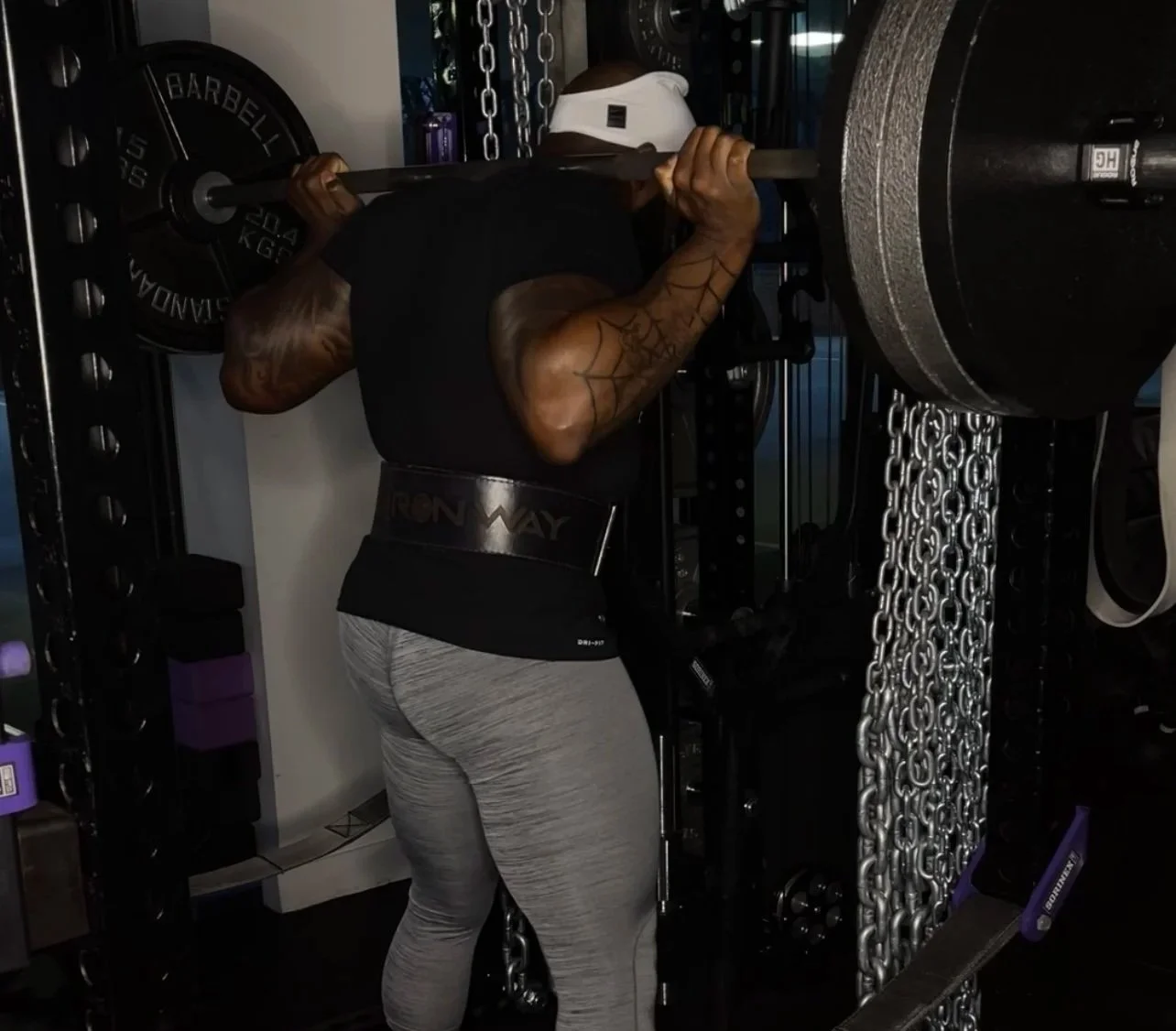
If I Only Had 3 Days to Train
If you only had three days a week to train, would that be enough? For most people, yes. This post breaks down why a well-structured 3-day plan can build strength, muscle, and consistency without taking over your life.
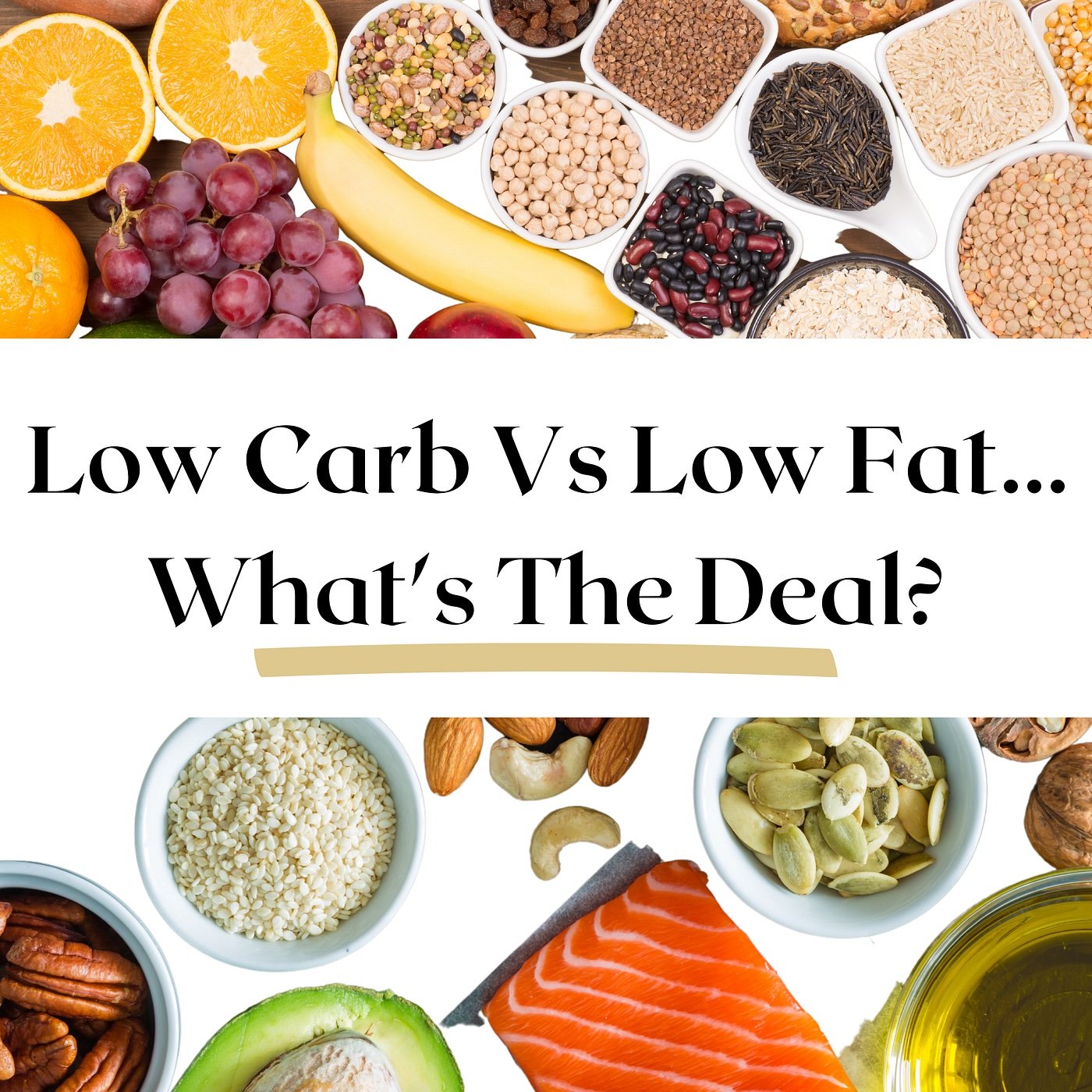
Low Carb vs Low Fat: What Works Best and For Who?
Low carb vs low fat isn’t the real debate. Both approaches can work, but neither matters if you’re missing the fundamentals. Learn what actually drives fat loss, performance, and long-term results, and how to choose the approach that fits your lifestyle.

Only 12 Weeks to Transform Your Body for the Rest of Your Life
Twelve weeks is not a gimmick. With consistent nutrition tracking and at least three strength training sessions per week, you can create visible physique change and build habits that support long-term results.

Unpopular Truth: It’s Your Fault You’re Not Seeing Progress in the Gym (and That’s Great News)
Progress isn’t complicated, but it is brutally honest. If your training is random, inconsistent, under-fueled, under-recovered, and half-effort, your results will match. This post breaks down the five biggest reasons people stall in the gym, and how to fix them with a simple 4-week reset built on structure, consistency, smart nutrition, recovery, and real effort.
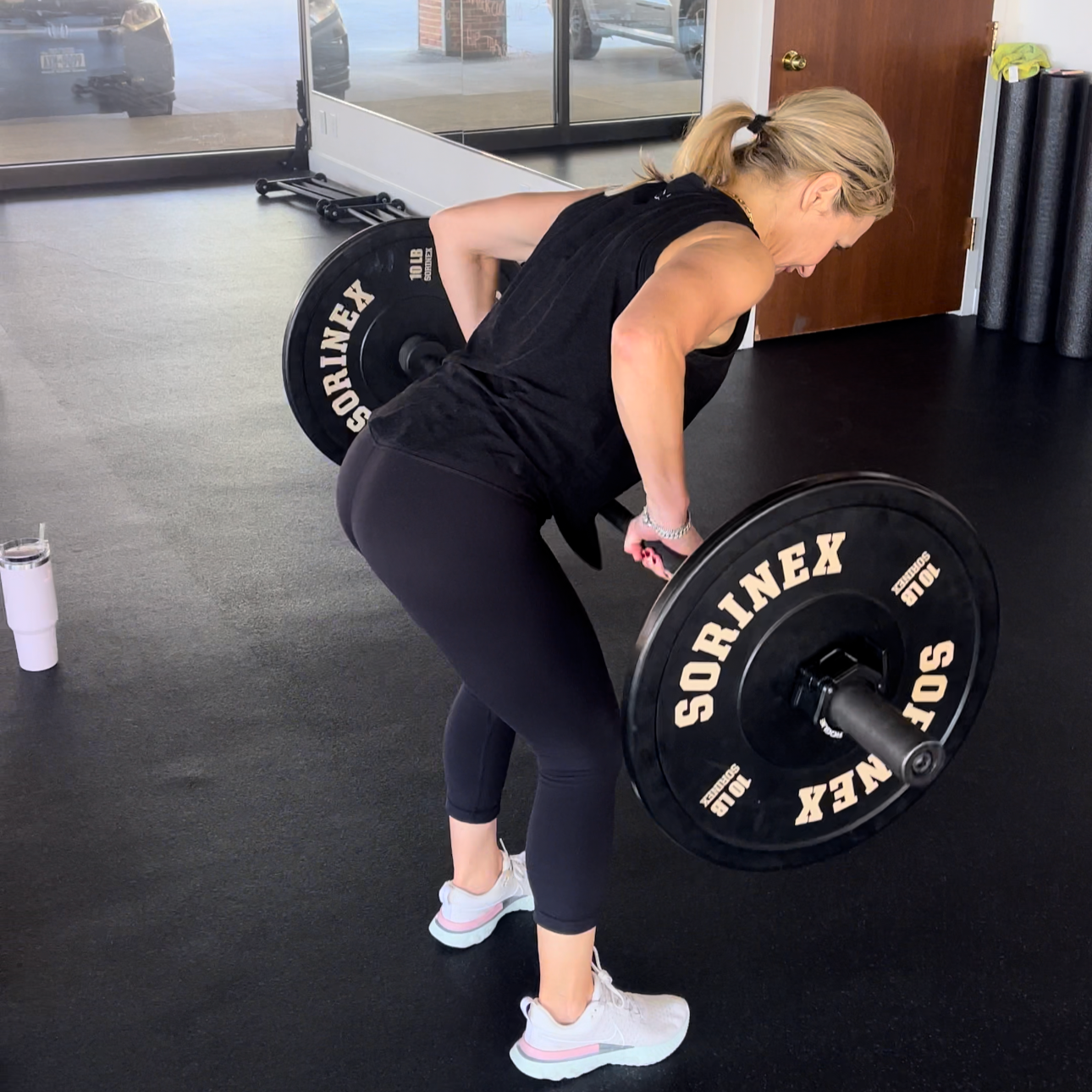
Things Social Media Says You “Need” (But You Probably Don’t)
Social media has a new “must-do” fitness trend every week, and I’ll usually get the same DM right after: “Is this legit?” This post breaks down 10 of the most common claims clients ask me about, what the evidence actually supports, and what to focus on instead. Because the main thing still wins, and most of the rest is fluff stuff.
How to Eat More and Still Lose Fat
You don’t need a more extreme diet. You need fewer blind spots. This guide breaks down the hidden calorie leaks that stall fat loss, plus a practical plan to eat more food volume, feel fuller, and still lose fat.

You Don’t Need More Cardio
Most people don’t need more cardio. They need a stronger foundation first. If your workouts feel like you’re always starting over, your body feels beat up, or fat loss keeps stalling, adding more cardio usually just adds fatigue and hunger. This post breaks down the Iron Camp order of operations: progressive strength training, daily steps (NEAT), protein-forward nutrition, and recovery. Build the base, then use cardio as a tool, not a punishment.

Carbs Are Your Friend
Carbs aren’t the enemy of getting lean. A consistent calorie surplus is. In this post, we break down what carbs actually do, why they support training performance and recovery, and how to use them strategically while dieting. You’ll learn a simple “carb targeting” method (train days vs rest days), practical pre- and post-workout guidelines, and how to choose higher-fiber carb sources to stay fuller and more consistent.
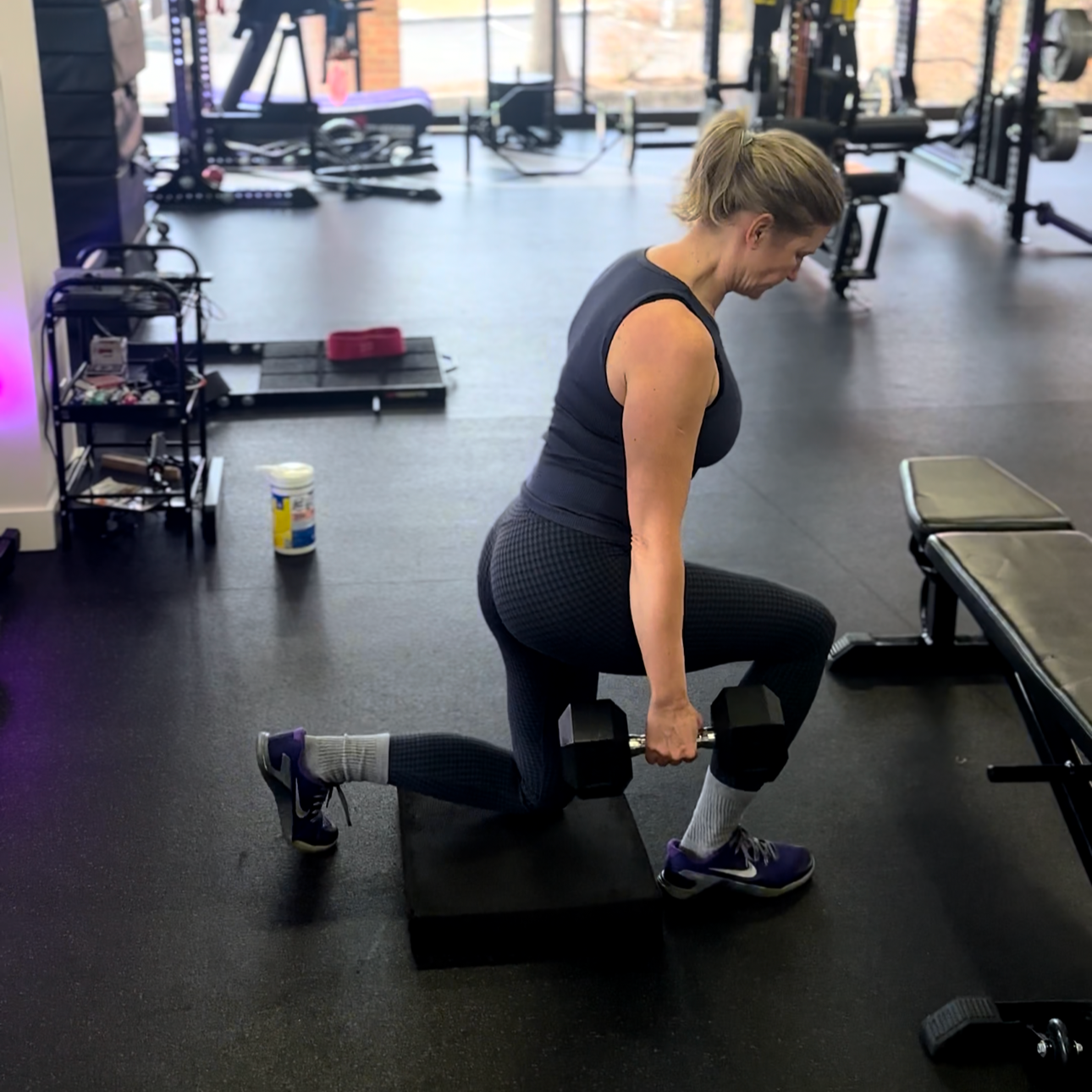
Working Sets vs Total Sets: The Real Reason Your Program “Isn’t Working”
Most people don’t need a new program. They need to understand the difference between total sets and working sets. Total sets include everything you do in a session, warm-ups and ramp sets included. Working sets are the ones done close enough to failure (roughly RPE 7–9) to actually trigger strength and muscle growth. In this article, you’ll learn how to spot whether a set “counts,” how many working sets you likely need each week, and how to structure your ramp sets so you earn 1–3 high-quality working sets without living at RPE 10.
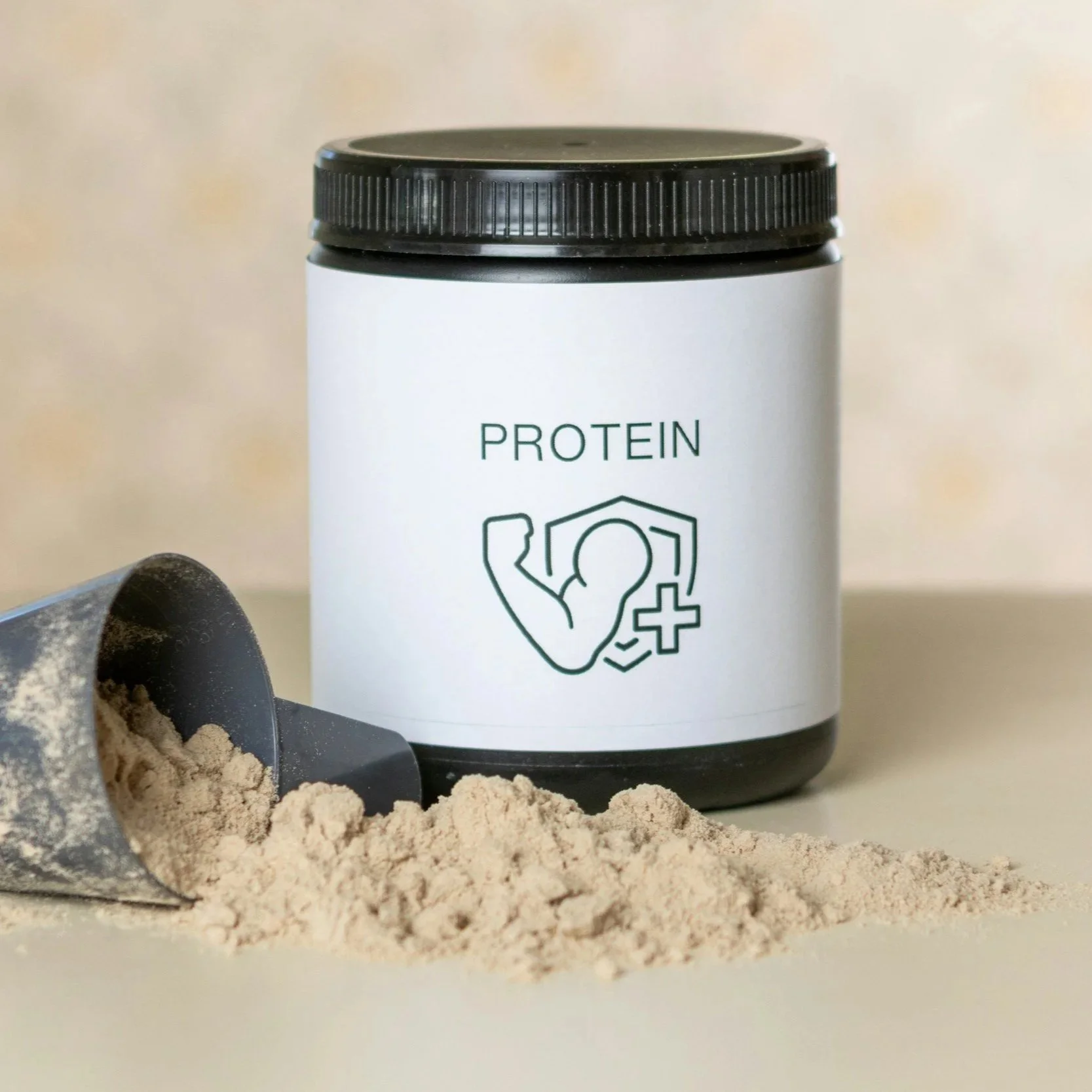
Is Protein Powder a Scam?
Protein powder isn’t a scam. It’s a convenience tool. At Iron Camp we prioritize whole-food protein first, but when life gets busy or you’re consistently missing your daily protein target, a quality powder can help you stay consistent. This article breaks down when protein powder is actually beneficial, how much protein most active adults need, and 10 high-protein, low-calorie ways to use it without replacing real meals.
Pain or Progress? How to Tell When to Push and When to Pause
Not all pain is the same. This guide shows you how to tell training discomfort from injury using a simple traffic-light system so you know when to train, when to modify, and when to stop. Learn to manage DOMS, handle tendon aches with smart loading, spot red flags, and follow a step-by-step return plan after a tweak. Train hard, protect your progress, and keep moving.

You Won't Get A "Pilates Body" Doing Pilates
Pilates is great for mobility and core control. If your goal is visible change after 30, prioritize strength training. Progressive overload builds muscle, protects bone, and drives real body recomposition.

What Is the Iron Camp Method? (And Why It Works for Everyone)
The Iron Camp Method is a proven system combining strength & hypertrophy training, mobility, and nutrition—designed for every body, at every age, in every stage of life. Whether you train in-person in Greenwich, CT, or remotely anywhere in the world, this method delivers sustainable, measurable results without the gimmicks.
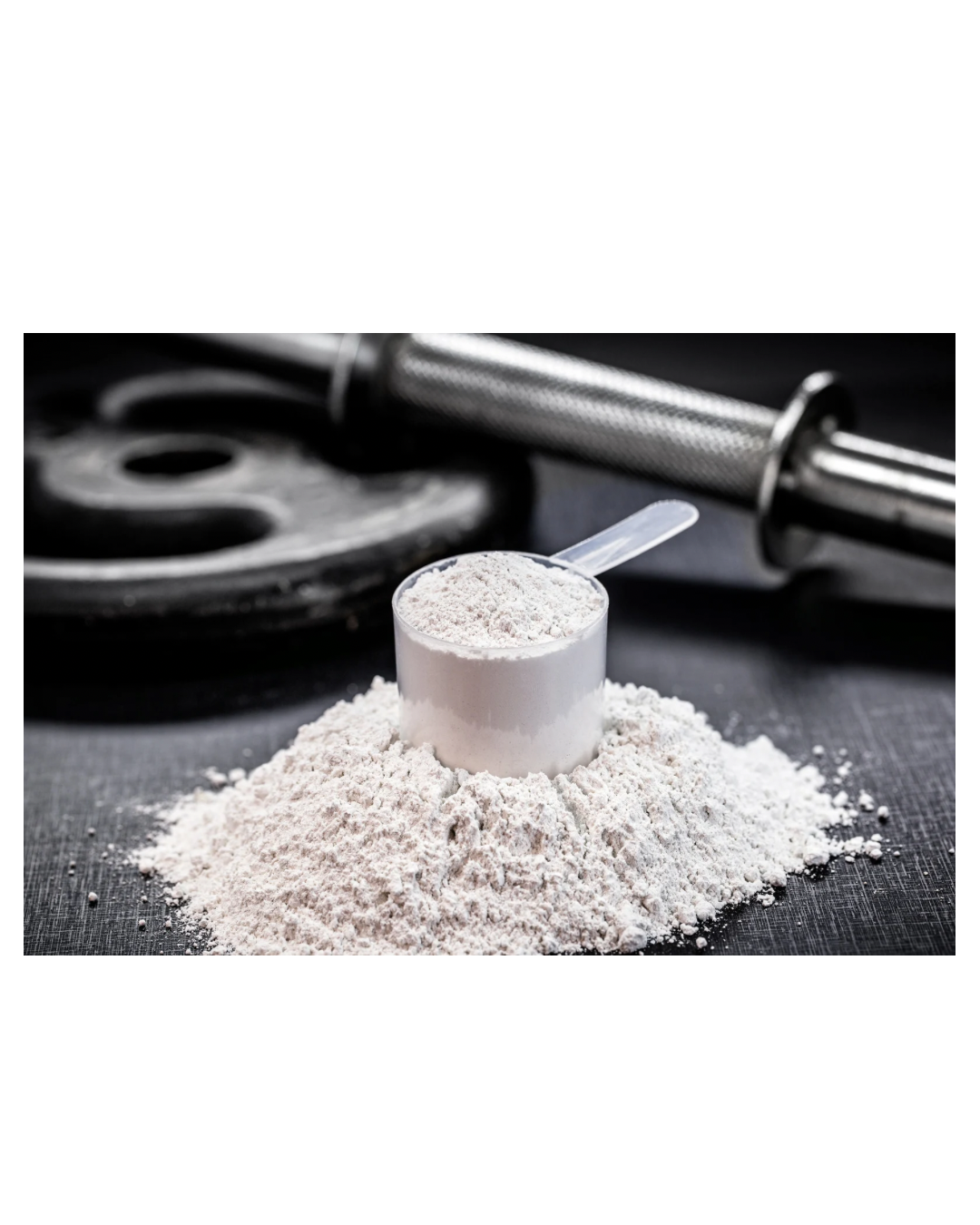
5 Science-Backed Benefits of Creatine Monohydrate for Strength, Muscle, and Brain Power
Creatine monohydrate is one of the most researched and effective supplements available — but it’s still misunderstood. In this article, we break down what creatine actually does, how it boosts strength, muscle growth, recovery, endurance, and even brain health, all backed by science. Whether you’re a seasoned lifter or just getting started, here’s why creatine deserves a spot in your daily routine.
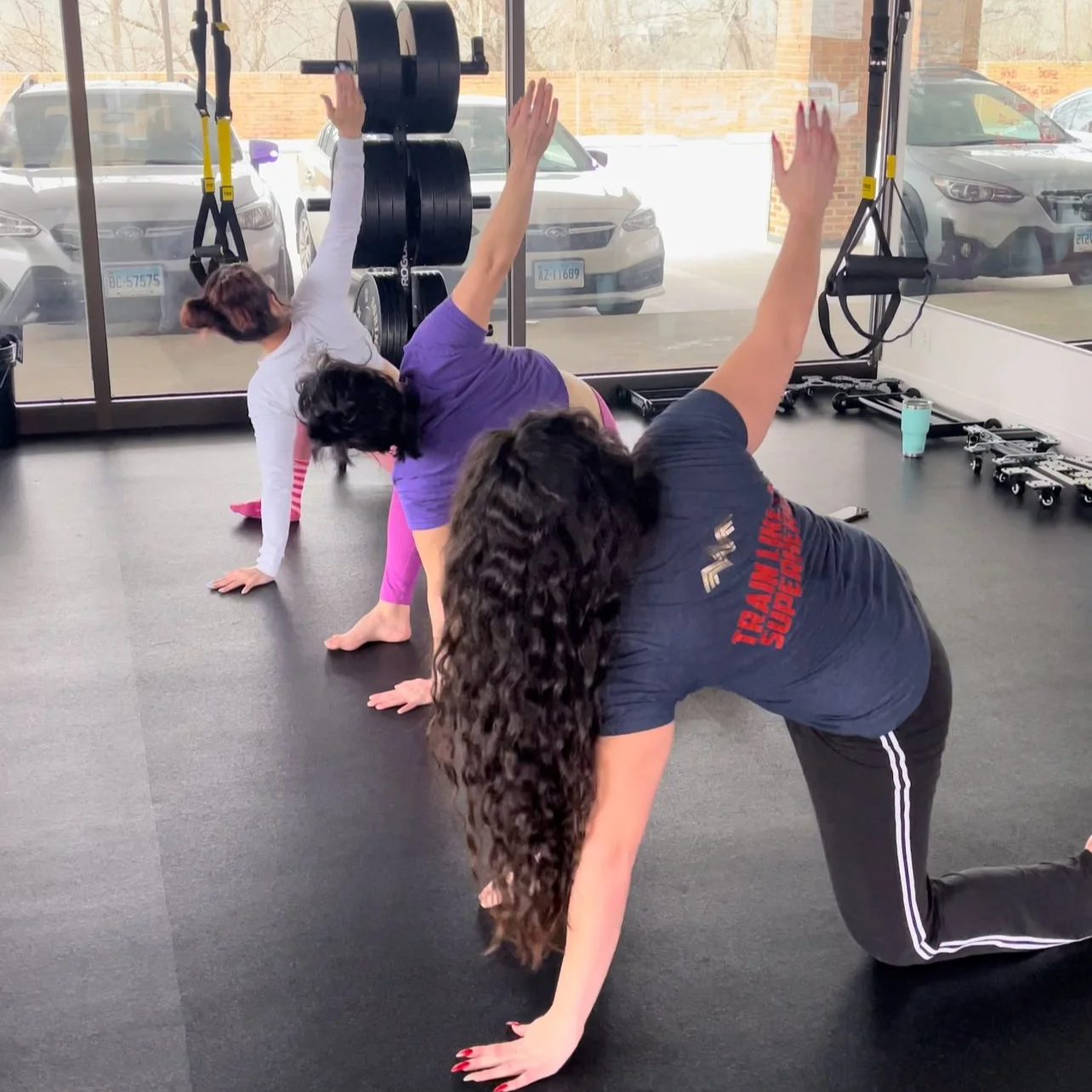
3 Recovery Mistakes That Are Killing Your Progress (And How to Fix Them)
You’re training hard — but are you recovering smart? These 3 common mistakes could be holding back your gains. Learn how to eat, move, and hydrate for better recovery and performance the Iron Camp way.
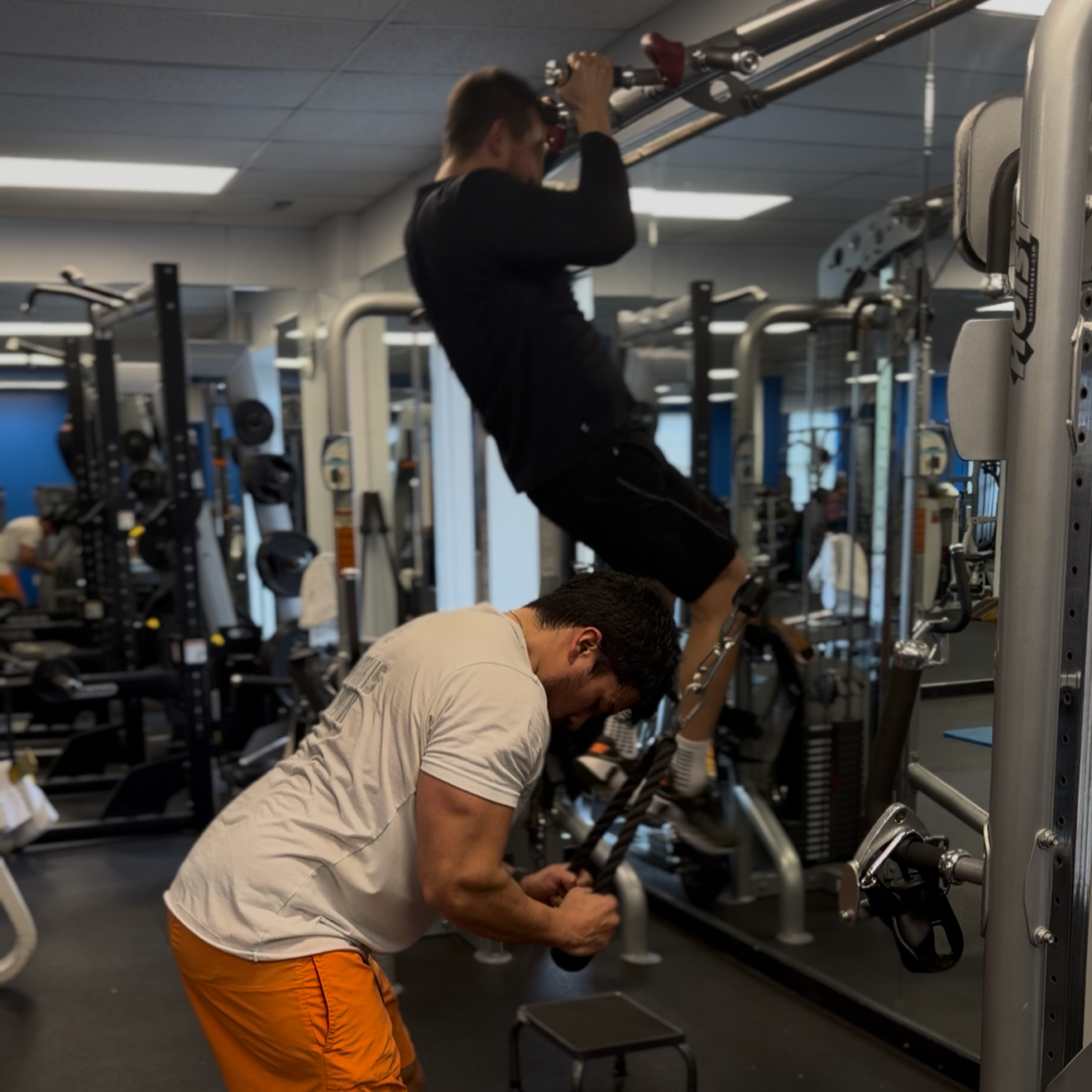
Split Training vs Full-Body: What’s Best for Busy Adults?
Split training or full-body workouts — which is better for your busy schedule? We break down the pros, cons, and what the research says so you can train smarter.